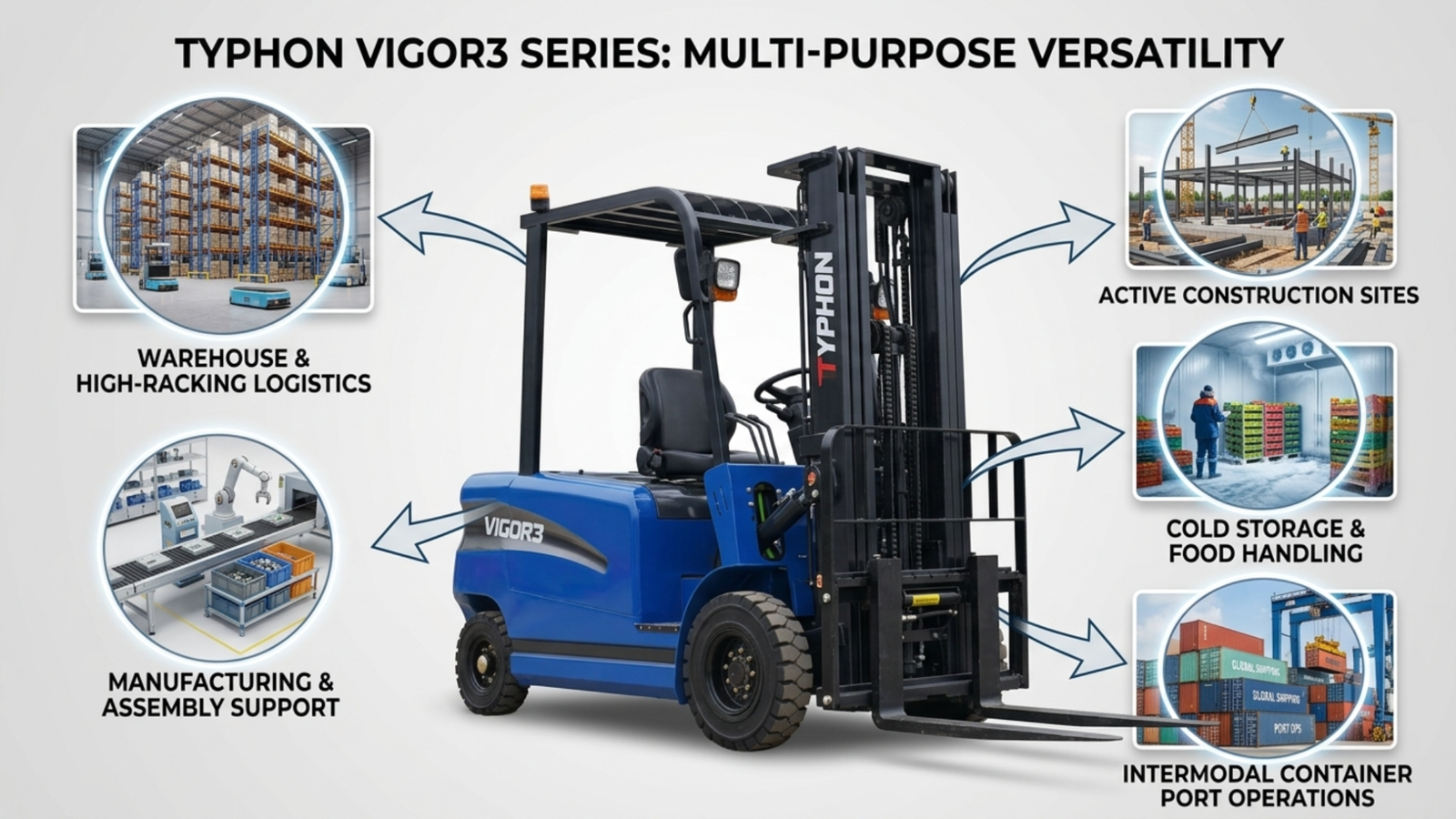
Selecting the right forklift is essential to transporting items quickly, ensuring worker safety, and cutting costs. Different sectors require different forklifts to complete tasks correctly. Choosing the incorrect model might result in defective products, jammed machinery, and unforeseen repair costs that negatively impact your company. Compact electric forklifts work best in indoor environments like food manufacturing, retail establishments, and warehouses. They can work in extremely cold storage rooms without malfunctioning, and they can slip down small aisles to pack orders and stack pallets without creating a lot of noise.
The standards are entirely different for hard outdoor work. To move large bricks, wood, and steel over muddy or uneven dirt, construction sites, lumber yards, and cargo ports require strong forklifts with enormous rubber tires. At huge ports, giant versions of these machines lift and stack large metal shipment crates as they exit cargo ships. Strong diesel or gas engines designed to withstand severe weather, rain, and muck without losing power power these heavy-duty trucks. Regardless of the task, aligning the forklift to your unique workspace ensures that your company operates safely and effectively while maintaining low daily running expenses.
Warehousing & Retail
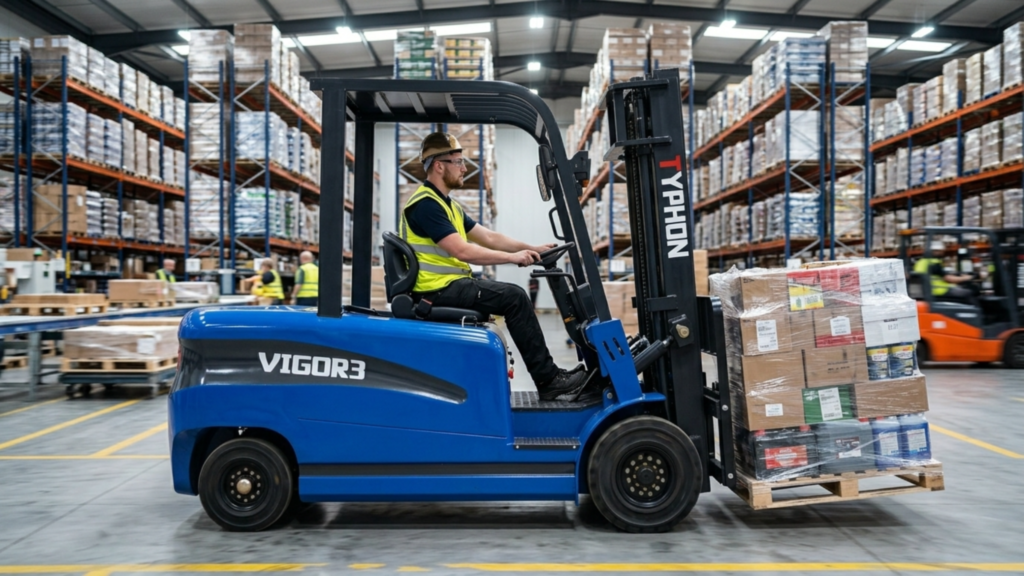
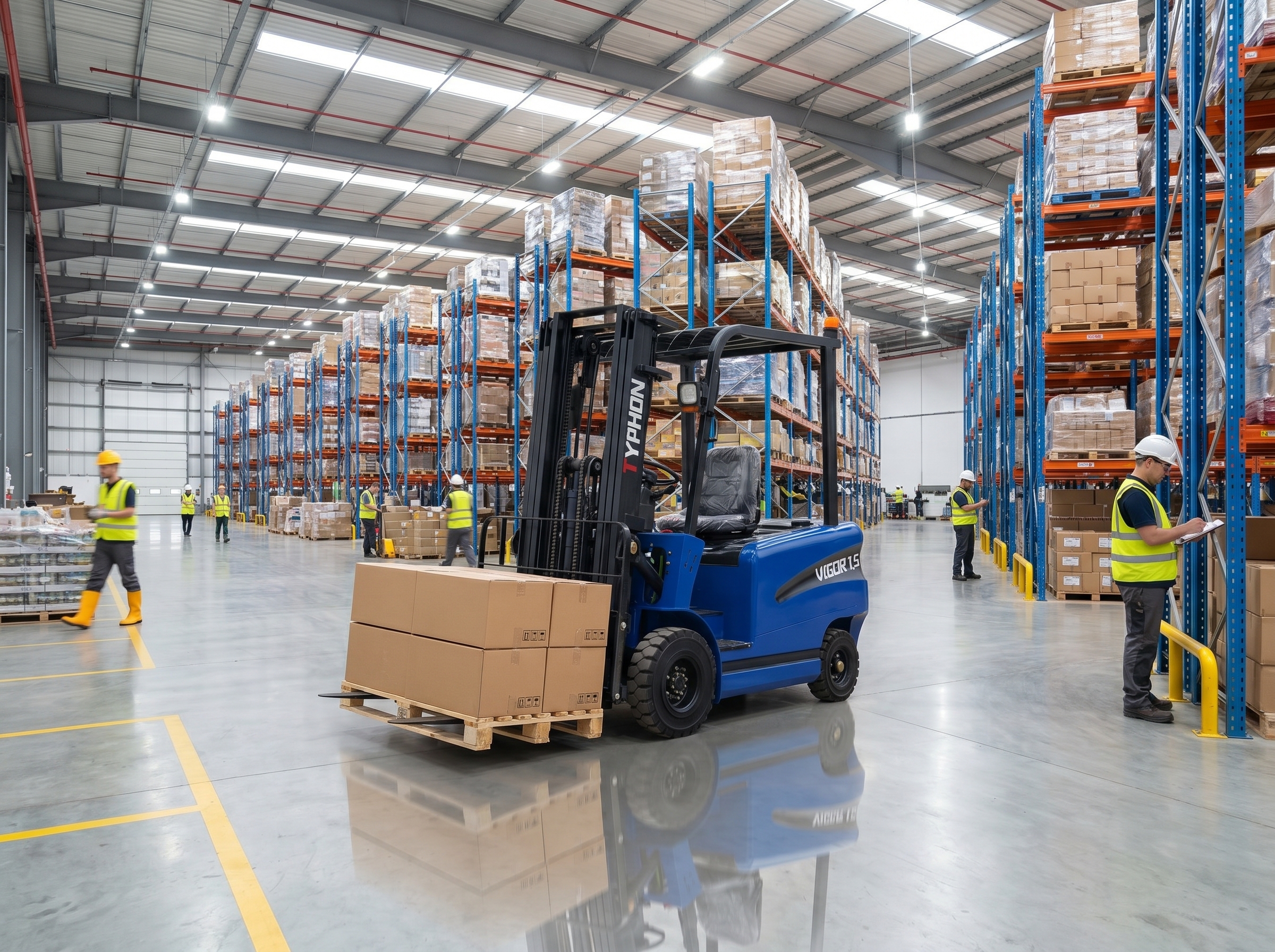
Warehouses and retail stores are all about fast movement. Especially those popular products where they need to restock every day and deliver to others. Products arrive, get stored, and ship out often on the same day. So, forklifts are the muscle that keeps this busy cycle turning safely.
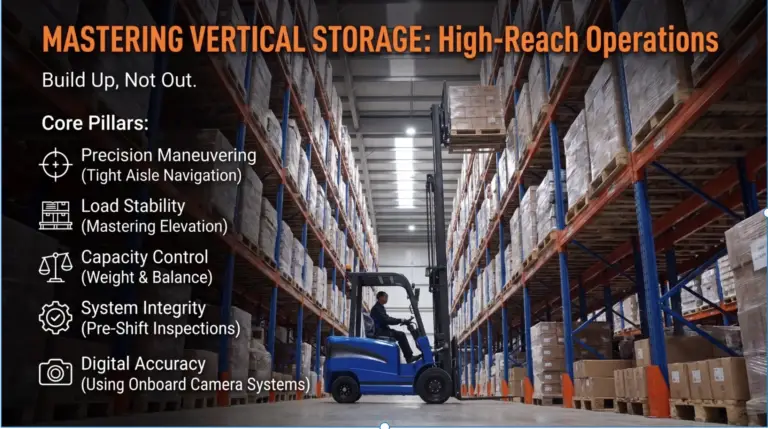
Inside these tight spaces, forklifts handle three core tasks for a warehouse: moving heavy boxes, packing up customer orders, and stacking pallets onto high shelves. Because every inch of space matters, a retail backroom or distribution center rarely has room to spare. This makes the warehousing industry unique, requiring specialized machines to get the job done right:
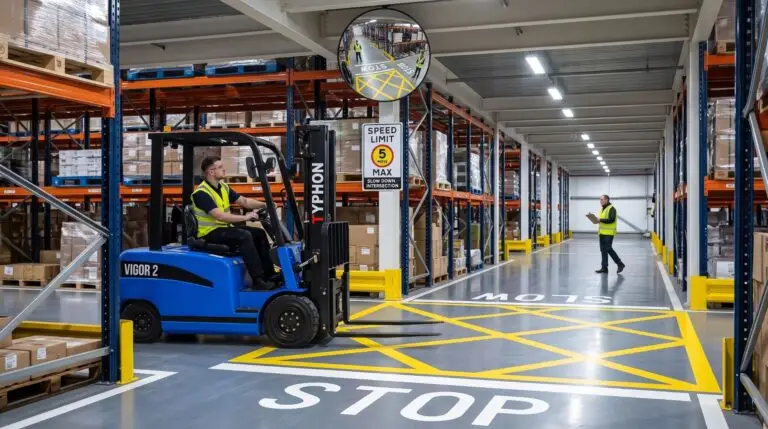
- Compact Size: Tight aisles call for small, highly maneuverable lifts like reach trucks that can turn on a dime.
- Clean Air: Working indoors means air quality is a priority. Businesses use electric forklifts because they run quietly and produce zero harmful exhaust emissions.
- High Reaching: Stacking items up to the ceiling requires steady lifts that can place heavy pallets onto top racks without tipping.
- Speed and Agility: Constant order picking rewards quick machines built for fast, repetitive back-and-forth trips.
Additionally, because these facilities operate around the clock, battery efficiency is a major factor. Many fulfillment centers are switching to modern lithium-ion batteries, which allow operators to quickly plug in the machine during lunch breaks to keep the forklift running for multiple shifts without swapping heavy parts.
For example, an electric reach truck can easily slip down a narrow grocery aisle, lift a pallet of goods to the top shelf, and back out without bumping a thing. Matching the right compact electric lift to your indoor space ensures that orders flow quickly, shelves stay stocked, and your team stays safe.
Construction & Building
Construction sites are a completely different world compared to smooth indoor warehouses. The ground is rough, often muddy, and rarely level. On these challenging job sites, forklifts are tasked with lifting and transporting heavy building materials like bricks, concrete blocks, lumber, and steel across uneven terrain. A standard warehouse lift would sink, spin its wheels, or stall the moment it hit soft dirt, which is why construction demands much tougher, more rugged machinery.
This demanding environment makes the building industry unique, requiring specialized rough-terrain forklifts with specific features to keep projects on schedule:
- Heavy-Duty Tires: Large, tractor-like pneumatic tires easily handle thick mud, loose gravel, and steep outdoor slopes without losing traction.
- High Load Capacity: Powerful internal combustion engines move massive loads of heavy bricks and tightly bundled timber with absolute ease.
- Extended Reach: Many construction lifts feature telescopic booms that can extend upward and forward to place materials onto high scaffolding or upper floors.
- Durable Builds: These machines are built with rugged frames and enclosed components to withstand constant dust, rain, and outdoor abuse.
Picture a busy crew framing a multi-story building. A rough-terrain forklift can haul a heavy pallet of bricks across a muddy lot, drive over ditches, and then lift the load directly to the second floor, where masons are waiting. By using the right heavy-duty machine, a task that would normally take hours of exhausting manual labor is safely completed in just a few minutes.
Manufacturing & Factories
Inside a factory, timing is everything. The assembly line never stops, and even a minor delay can slow down the entire facility. Forklifts are the ultimate support machines in this environment, feeding the production line by bringing raw metals, heavy parts, and essential components exactly where they are needed, exactly when they are needed. These machines operate in a controlled but highly demanding environment, shuttling materials between storage areas, production zones, and shipping docks in a steady, repeating rhythm.
Because manufacturing requires precision and constant uptime, this industry has very specific demands that shape how forklifts are used:
- Clean and Quiet Power: Consistent indoor operation means air quality and noise control are top priorities. Factories heavily favor electric forklifts because they run quietly and produce zero emissions.
- Heavy and Awkward Loads: Moving raw steel, dense metal sheets, and machinery parts requires incredibly strong, stable lifts with high weight capacities.
- Specialized Attachments: Standard forks aren’t always enough. Factory forklifts often use specialized attachments like rams for metal coils, clamps for industrial drums, and rotators for oddly shaped parts.
- High Reliability: Because a breakdown can freeze production, factories require highly reliable machines that offer easy maintenance and low downtime.
Think of a busy automotive plant feeding its active assembly line. A forklift operator smoothly delivers a heavy load of stamped steel components directly to a welding station, then immediately circles back to grab the next batch of parts. The assembly line keeps moving efficiently because the forklift keeps delivering without missing a beat. In the manufacturing world, a reliable forklift is not just a nice tool to have; it is the backbone of the entire production process.
Food & Cold Storage
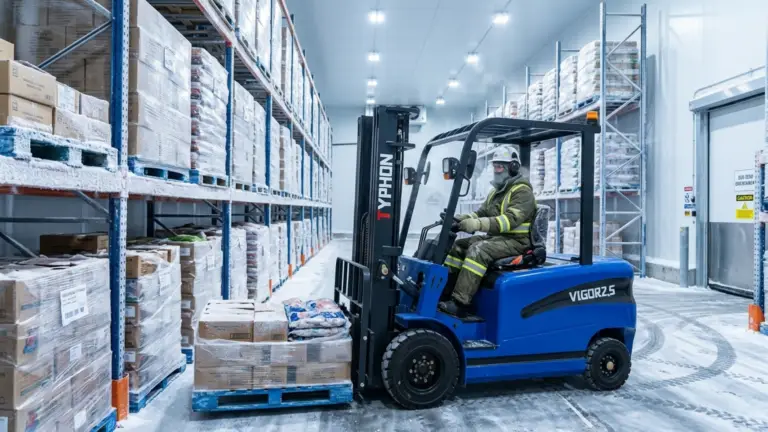
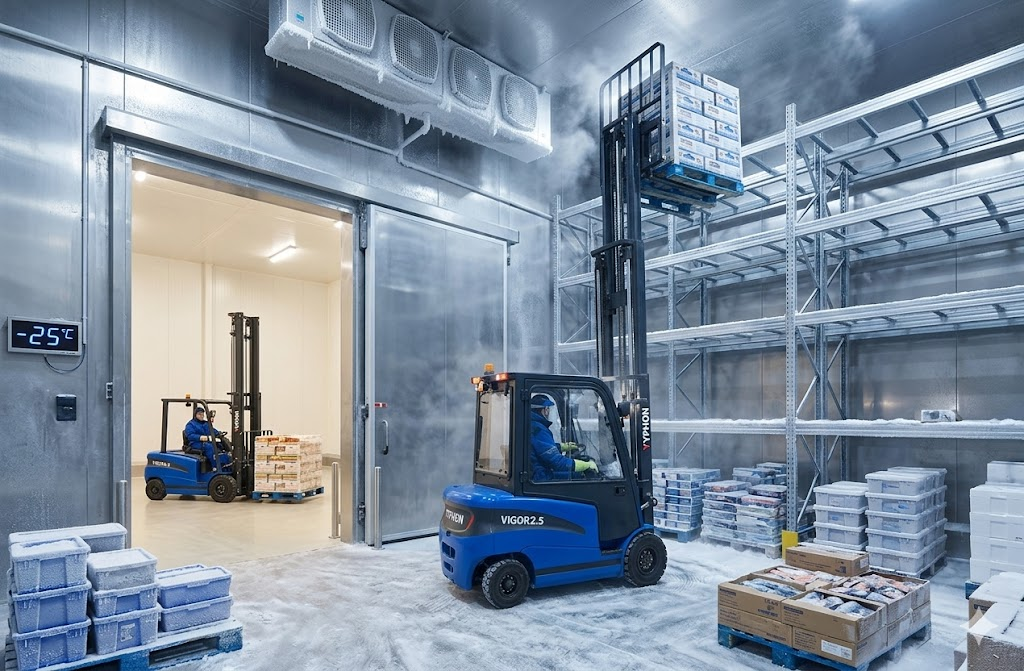
Food and beverage operations face a unique challenge that most other industries never have to deal with: extreme cold and strict cleanliness rules. In these facilities, forklifts are responsible for moving food and drinks through spotless indoor spaces and directly into giant walk-in freezers. While the basic task of stacking pallets looks similar to standard warehousing, the harsh environmental conditions set this industry completely apart. A standard forklift can easily break down or seize up when temperatures plunge well below freezing.
Because protecting the inventory and keeping the machine running are so critical, this industry relies on highly specialized equipment:
- Sub-Zero Engineering: Freezer-rated forklifts use special oils, wiring, and hydraulic parts designed to stay fluid and functional in sub-zero cold.
- Contamination-Free Power: Strict food safety laws favor electric models because they run clean and produce zero exhaust emissions that could ruin food products.
- Moisture Protection: Sealed electrical components resist water and condensation damage when the machine transitions between different temperatures.
- Operator Comfort: Many units feature fully enclosed, heated cabins to keep drivers warm, safe, and productive during long shifts in the cold.
Consider a frozen-food distributor. One moment a forklift is loading ice cream on a comfortable 70-degree shipping dock, and the next it is stacking pallets inside a deep freezer at minus 20 degrees. A specialized electric lift handles this extreme temperature swing smoothly without breaking down, ensuring the food stays safe and the supply chain keeps moving.
Shipping Ports & Docks
Shipping ports operate on a massive scale where the cargo is enormous and the volume is relentless. In this intense environment, material handling equipment is sized to match the environment. Forklifts here are tasked with moving massive industrial cargo and stacking giant metal shipping containers straight off the cargo ships. This is heavy-duty outdoor work at its most extreme. Because standard warehouse lifts have no place here, ports rely on specialized, high-capacity machinery built to handle the heaviest loads on earth.
This brutal, high-stakes environment makes the maritime shipping industry completely unique, requiring immense power and durability:
- Container Handlers & Reach Stackers: These giant specialized lifts are engineered specifically to clamp, lift, and stack loaded 20-foot and 40-foot shipping containers.
- Enormous Load Capacity: These heavy-duty machines possess the muscle required to safely lift and move cargo weighing tens of tons at a single time.
- Heavy-Duty Diesel Power: Large diesel engines provide the immense torque and continuous, reliable power that these massive loads demand.
- All-Weather Durability: Built with rugged materials and protective coatings, these machines run constantly through harsh wind, heavy rain, and corrosive salt air.
Picture a busy dock where a giant reach stacker grabs a fully loaded container, lifts it effortlessly into the air, and stacks it four units high. This incredible capability keeps cargo flowing smoothly from ship to shore and onto waiting trucks and trains, keeping the global supply chain moving.
Conclusion
Forklifts are the invisible muscle that powers nearly every major industry, but no single machine fits every job. While construction requires tough, rough-terrain strength on uneven ground, warehousing rewards compact, electric agility in small places. Shipping ports require enormous, specialized capacity to handle enormous containers, manufacturing depends on reliable indoor performance to keep the assembly line running, and food storage requires freezer-rated cleanliness to protect commodities. In the end, the ideal machine for the job will always depend on the particular requirements of the workplace.
The message is obvious for purchasers and fleet managers. The best method to safeguard your budget, ensure the safety of your crew, and maintain project timetables is to match the forklift precisely to your particular industrial application. By taking the time to examine your surroundings before making a decision, you can avoid future expensive machine malfunctions and needless wear. Your operators work more confidently, your operations run more smoothly, and your business continues to be extremely productive every day when your equipment meets all of your daily needs.