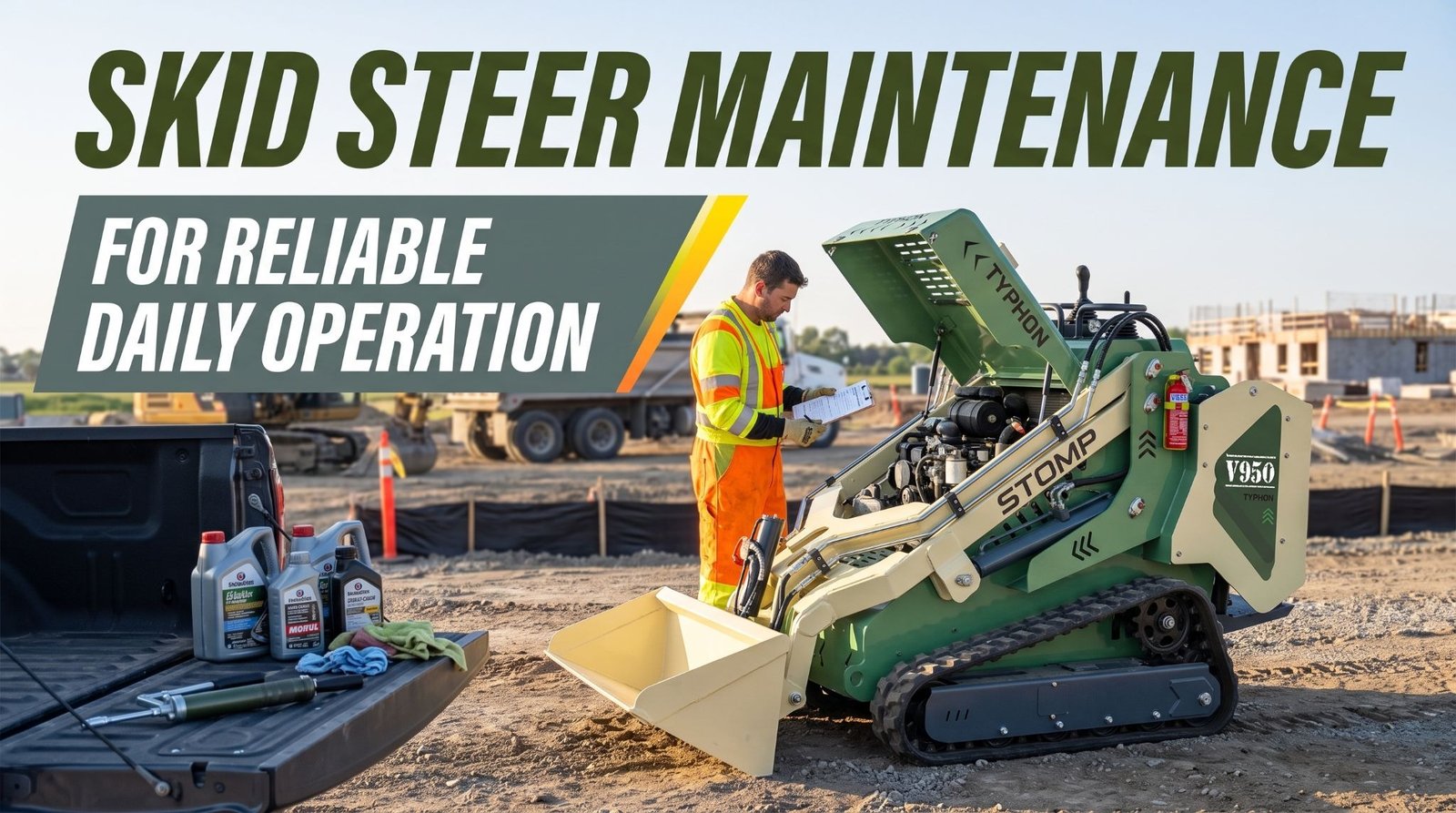
Skid Steer Maintenance for Reliable Daily Operation
A busy grading project can quickly lose momentum when a small hydraulic problem turns into equipment downtime. The skid steer may be expected to prepare a driveway base, load gravel, and finish yard grading before the next crew arrives. If a hydraulic hose has been rubbing against the frame and develops a crack, the machine can lose fluid, reduce lifting performance, and require immediate attention. Hydraulic hoses should be part of every pre-operation inspection because
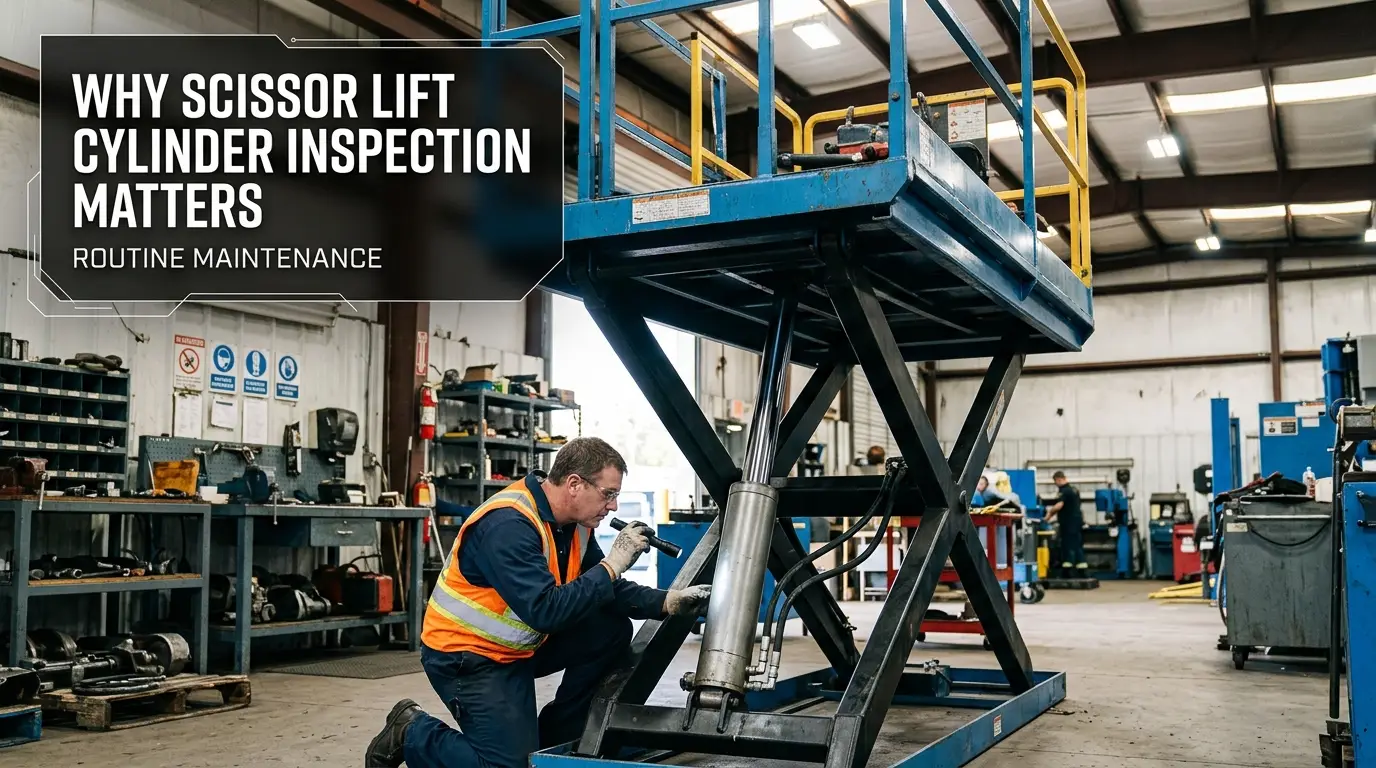
Why Scissor Lift Cylinder Inspection Should Be Part of Routine Maintenance
A scissor lift depends on its hydraulic cylinders to raise, hold, and lower the platform safely, which puts these components at the heart of both performance and safety. When a cylinder develops a problem, the effects show up quickly in the form of leaks, uneven lifting, or an unexpected loss of function. Building cylinder inspection into your routine maintenance is one of the most practical ways to catch these issues early, protect the people who
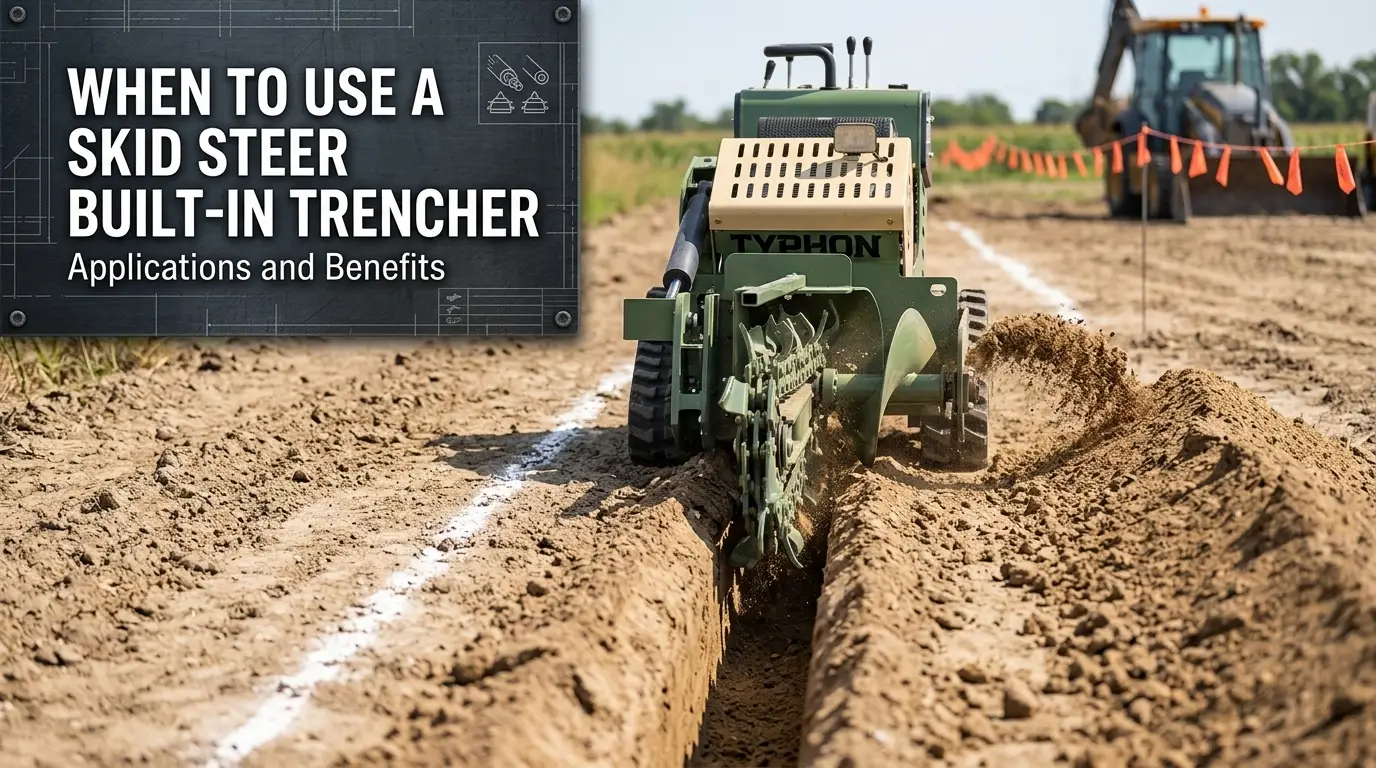
When to Use a Skid Steer Built-In Trencher: Applications and Benefits
Digging clean, accurate trenches is rarely as simple as it sounds. The work often happens in tight spaces, across finished ground, or along routes where precision matters as much as speed. A skid steer built-in trencher meets these demands by combining the machine and the trenching system into one dedicated unit, giving operators a compact, capable tool for cutting narrow, consistent trenches wherever the job leads. This guide explains when to use a skid steer
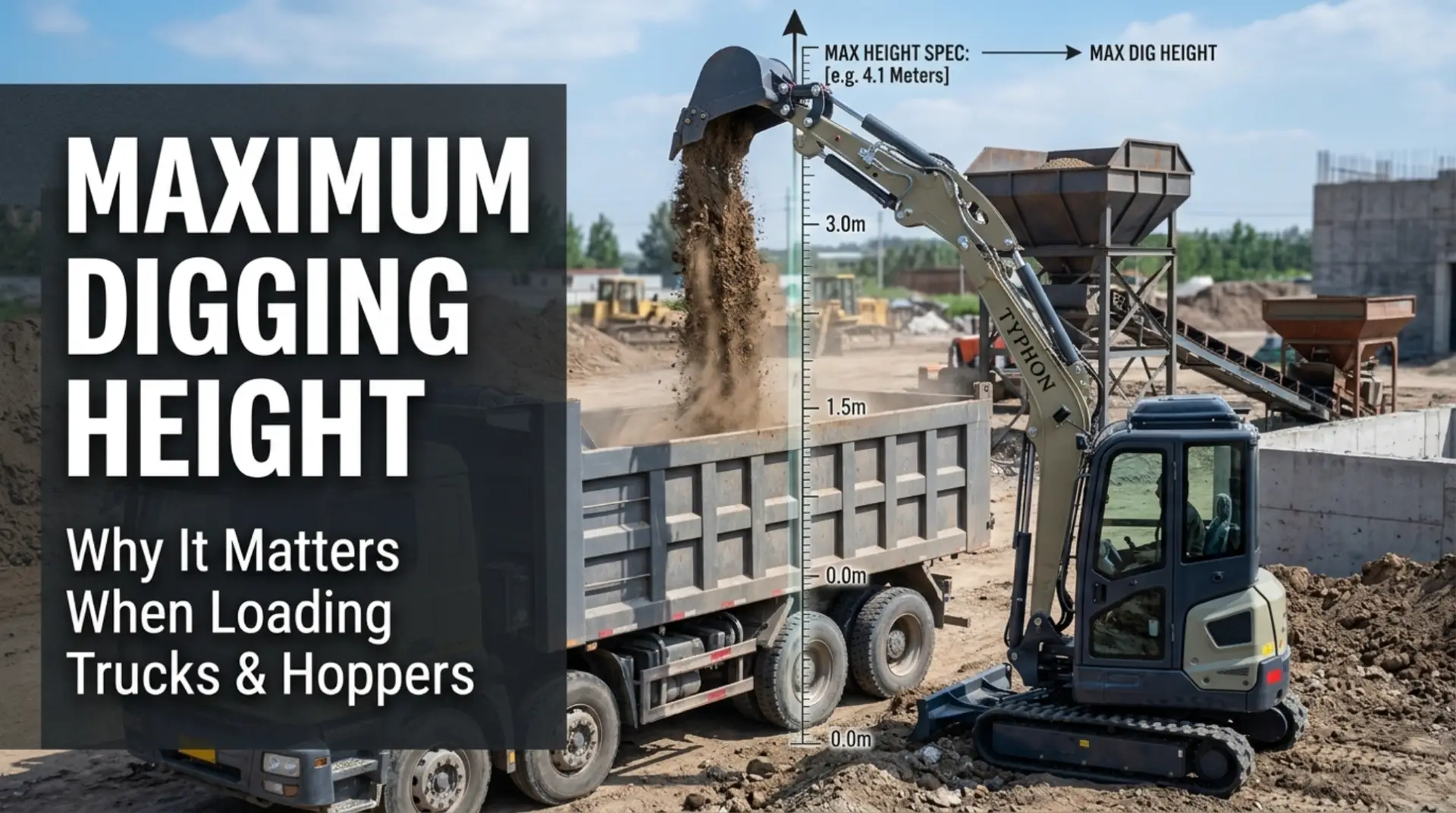
Why Excavator’s Maximum Digging Height Matters When Loading Trucks and Hoppers
Loading trucks and hoppers is one of the most repeated tasks an excavator performs, and how efficiently it happens shapes the pace of an entire operation. At the center of that efficiency sits a specification many buyers overlook: maximum digging height. This figure decides whether the machine can reach over a truck’s sidewall, feed an elevated hopper cleanly, and place material accurately without awkward repositioning. Get it right, and loading cycles stay fast and controlled.
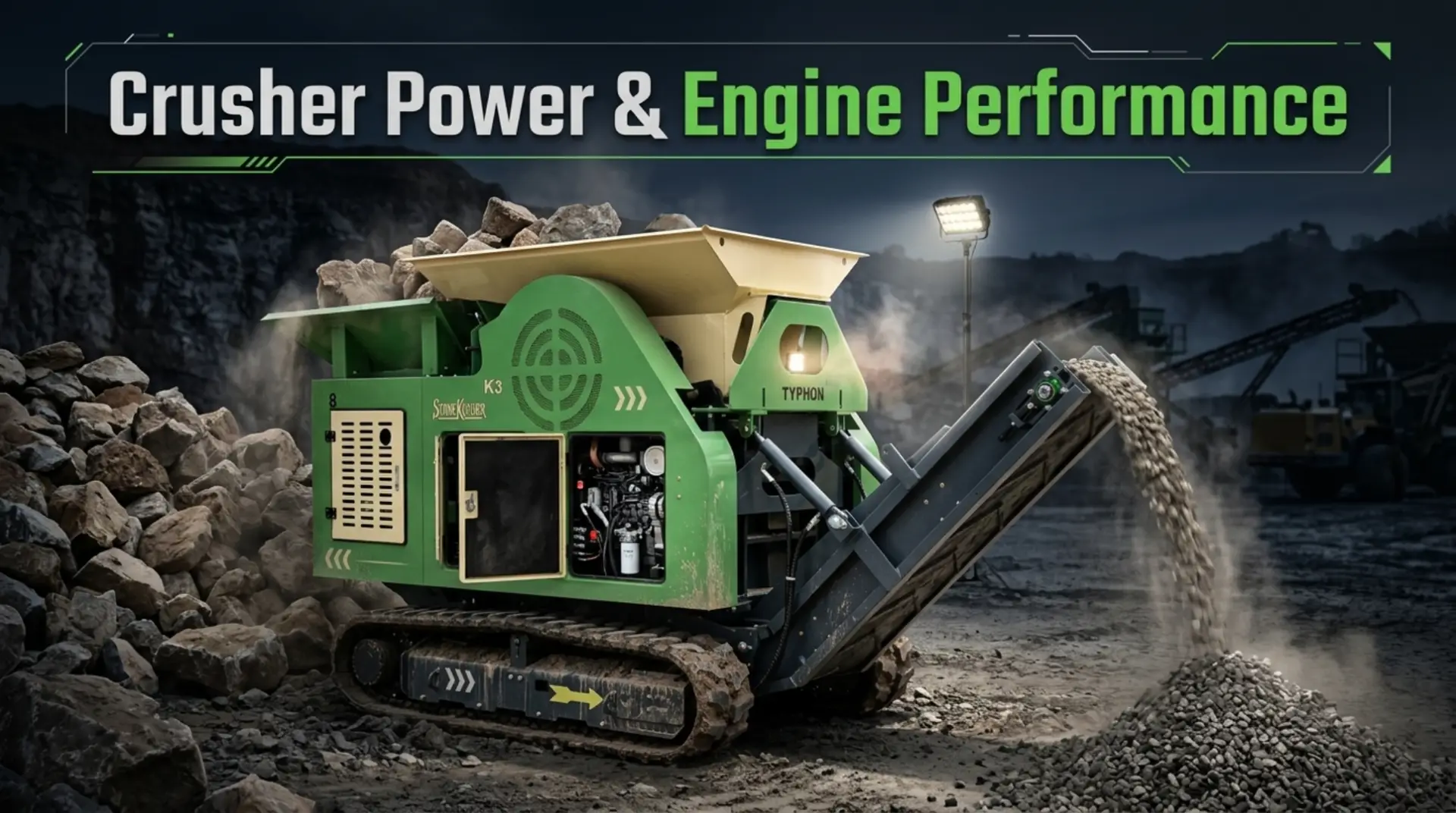
Understanding the Importance of Crusher Power and Engine Performance
A crusher is only as capable as the engine driving it. Push a machine beyond what its power plant can handle, and you’ll see slower throughput, uneven output, and rising fuel bills. Match the power to the work, and the same machine runs smoothly through demanding material all day long. That difference shapes your production rates, your operating costs, and the life of your equipment. This post explains why crusher power and engine performance matter
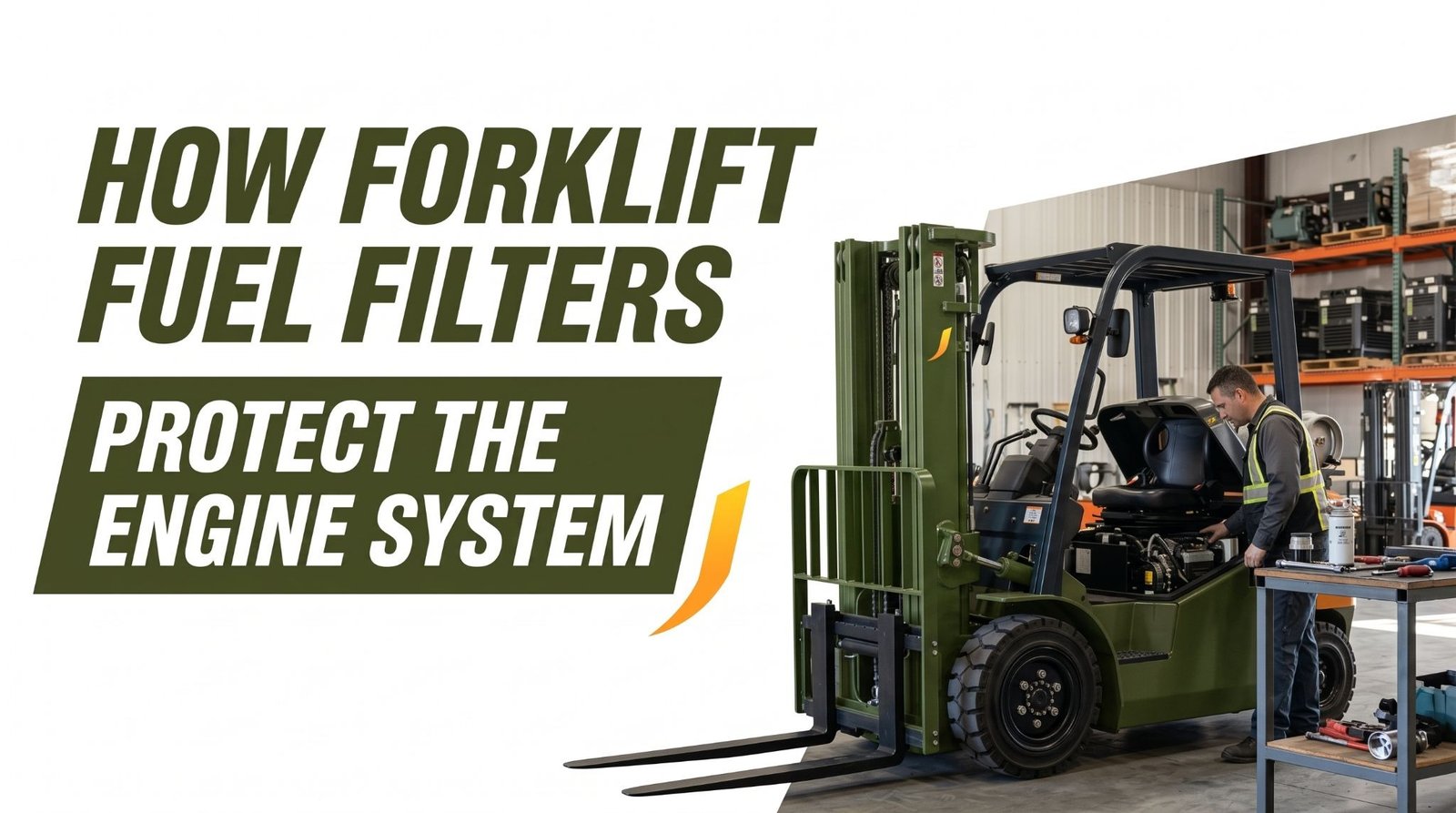
How Forklift Fuel Filters Protect the Engine System
A forklift engine depends on a steady supply of clean fuel, and one small component quietly makes that possible: the fuel filter. It guards the fuel system against dirt, water, and debris that would otherwise reach the most sensitive parts of the engine. When the filter works as intended, your forklift starts reliably, runs smoothly, and holds its power through a full shift. When it fails or clogs, you invite rough performance and costly repairs.