
The material handling industry is moving fast, and electric forklifts sit at the center of that change. For warehouse managers, fleet operators, and equipment buyers planning their next investments, understanding the electric forklift trends 2026 has brought to the forefront is essential to making smart, future-proof decisions. The market itself tells the story: the global electric forklift market is projected to grow from around $54 billion in 2026 to nearly $140 billion by 2033, expanding at a robust compound annual growth rate that reflects just how decisively operations are shifting away from internal combustion.
This guide walks through the major forklift industry trends shaping the year ahead, from the rapid rise of lithium-ion battery technology to the steady march of automation, smarter fleet management, and the regulatory and economic forces driving electrification across every corner of the warehouse. By the end, you will have a clear picture of where the industry is heading and what it means for your operation.
Lithium-Ion Battery Adoption Accelerates
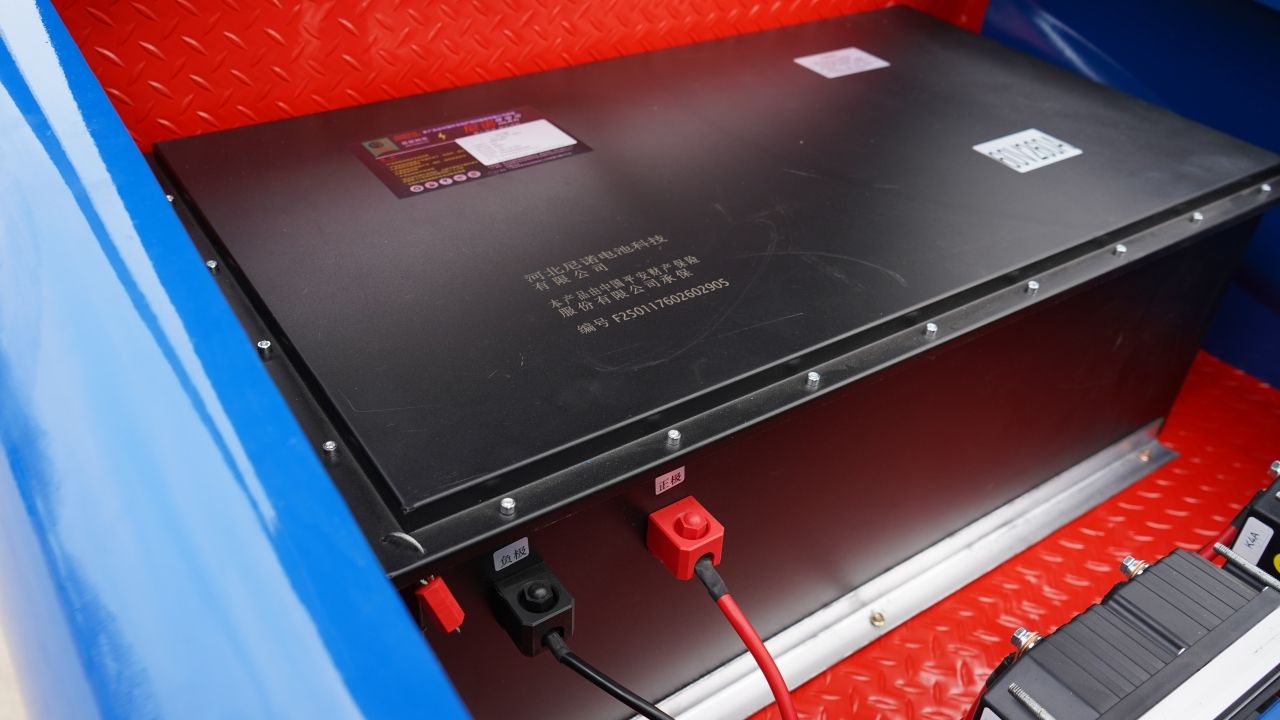
If one trend defines the electric forklift landscape in 2026, it is the rapid acceptance of lithium-ion power. The lithium-ion forklift battery has moved from a premium niche option to the default choice for a growing share of new electric forklift purchases, and the reasons are compelling. These batteries charge faster, last longer, and demand far less maintenance than the lead-acid units that dominated for decades. There is no watering to manage, no equalizing to schedule, and no cooldown period to plan around, which removes a significant labor burden from fleet operations.
The practical advantages compound quickly. Lithium-ion batteries support opportunity charging, meaning operators can top off during breaks without harming the cells, which keeps machines productive across multiple shifts and often eliminates the need for battery swapping entirely. They also use roughly thirty percent less energy than comparable lead-acid systems, trimming electricity costs over the life of the battery. As manufacturers refine cell chemistry, develop better cooling methods, and extend cycle life even further, the gap between lithium-ion and older technology continues to widen. For high-utilization and multi-shift operations, especially, lithium-ion has become the clear standard rather than the exception, and that momentum shows no sign of slowing.

Electrification Reaches Heavy-Duty Forklifts
For years, electric power was viewed as suitable mainly for lighter indoor work, while heavy lifting and rugged outdoor tasks remained the domain of diesel and propane machines. That assumption is breaking down in 2026. Advances in battery capacity, motor design, and thermal management now allow electric forklifts to handle higher load capacities and more demanding duty cycles than ever before. Manufacturers are bringing electric models to market that compete directly with internal combustion units in classes once considered off-limits to battery power.
This expansion matters because it opens electrification to operations that previously had no practical electric option. Ports, lumber yards, manufacturing plants, and other settings that rely on heavy-duty material handling can now consider electric machines that deliver the power they need without the emissions, noise, and maintenance of combustion engines. As performance continues to close the gap and battery technology improves, the share of heavy-duty work performed by electric forklifts will keep climbing. For equipment buyers who once dismissed electric as too weak for their needs, 2026 is the year to take a fresh look.
Automation and Autonomous Forklifts Gain Ground
Automation is reshaping the warehouse, and forklifts are very much part of that transformation. Autonomous and automated electric forklifts, guided by sensors, cameras, and sophisticated navigation systems, are taking on repetitive tasks such as moving pallets between fixed points, feeding production lines, and transporting goods across predictable routes. These machines work tirelessly, follow consistent paths, and reduce the risk of the contact incidents that human fatigue can cause, making them an attractive option for operations facing labor shortages and rising throughput demands.
The trend toward automation pairs naturally with electric power, since battery-driven machines integrate cleanly with the software and charging systems that autonomous operation requires. Rather than replacing every operator overnight, most facilities are introducing automated forklifts gradually, deploying them on well-defined tasks while human operators handle the more complex, judgment-intensive work. This hybrid approach delivers efficiency gains without disrupting the entire operation at once. As the technology matures and costs come down, expect autonomous electric forklifts to handle an expanding range of tasks, freeing skilled workers to focus where their judgment adds the most value.
Telematics and Smart Fleet Management
Data has become one of the most valuable tools in modern material handling, and telematics is putting it directly into the hands of fleet operators. In 2026, more electric forklifts arrive equipped with connected systems that track machine location, battery status, usage hours, operator behavior, and maintenance needs in real time. This visibility transforms fleet management from a reactive exercise into a proactive discipline, allowing managers to spot problems before they cause downtime and to make decisions grounded in hard numbers rather than guesswork.
The benefits reach across the operation. Telematics data reveals which machines are overused and which sit idle, helping right-size the fleet and avoid unnecessary purchases. It flags maintenance needs early, schedules service before small issues become failures, and monitors battery health to extend the life of those costly assets. Operator-focused features can also encourage safer driving and reduce the impacts and abuse that drive up repair bills. For warehouse managers seeking measurable improvements in efficiency, safety, and cost control, the smart fleet management capabilities built into today’s electric forklifts represent one of the most practical and immediate trends to act on.
Sustainability and Emissions Regulations Drive Change
Environmental priorities are no longer optional considerations, and they are accelerating the shift to electric power throughout the industry. Tightening emissions regulations in many regions are making internal combustion forklifts harder and more expensive to operate, particularly indoors and in densely populated areas. At the same time, a growing number of companies have set their own sustainability targets, and electrifying the forklift fleet offers a visible, measurable step toward meeting them.
Electric forklifts produce zero exhaust emissions at the point of use, which improves air quality for workers, supports regulatory compliance, and aligns with corporate environmental commitments. As pressure mounts from regulators, customers, and investors alike, operations that electrify position themselves ahead of the curve rather than scrambling to catch up later. This combination of regulatory push and corporate pull is one of the most powerful forces behind the broader forklift industry trends of 2026, and it touches nearly every other development on this list. The direction is unmistakable, and the operations that plan for it now will face fewer disruptions down the road.

Growing Demand in Cold Storage
Cold storage and refrigerated warehousing represent one of the fastest-growing segments of material handling, and electric forklifts are central to serving it. The expansion of frozen food distribution, pharmaceutical storage, and temperature-controlled logistics has created strong demand for equipment that can operate reliably in sealed, sub-freezing environments where combustion engines and their exhaust have no place. Electric machines, with their clean, emission-free operation, are the only practical choice for these conditions.
The advances in lithium-ion technology have made electric forklifts even better suited to the cold. These batteries tolerate low temperatures more effectively than lead-acid units, retain more usable capacity in freezer conditions, and support the opportunity charging that keeps machines running through long shifts. Manufacturers are also offering cold storage packages with sealed components, condensation protection, and freezer-rated batteries engineered for the demands of refrigerated work. As cold storage capacity continues to expand to meet consumer and healthcare demand, the role of purpose-built electric forklifts in these facilities will only grow stronger.
Innovation in Narrow-Aisle and High-Density Storage
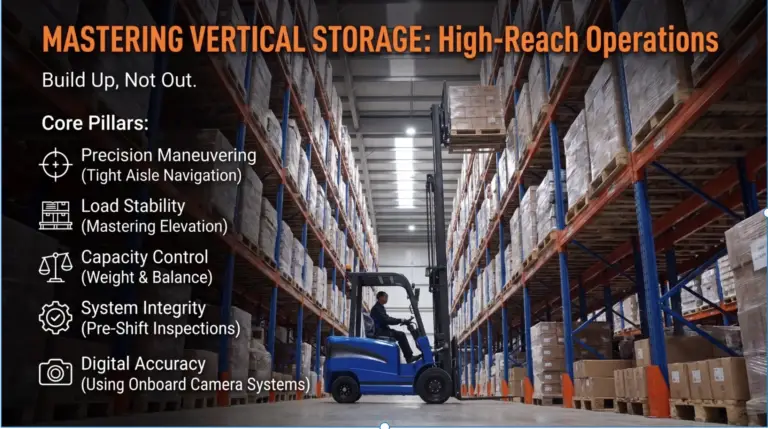
Warehouse space carries a steep price, and operations are working harder than ever to store more product within the same footprint. This pressure is driving continued innovation in narrow-aisle electric equipment, including reach trucks, order pickers, and turret trucks designed to operate in tight aisles and reach impressive heights. Because these machines are inherently electric, advances in this category reinforce the broader move toward battery power across the warehouse.
The latest narrow-aisle machines pair precise electric controls with smart features that improve both productivity and safety. Enhanced operator visibility, automated height positioning, and stability systems help crews work confidently in confined spaces where accuracy matters most. By enabling taller racking and narrower aisles, these innovations let facilities dramatically increase their pallet positions without expanding the building, turning an equipment decision into a genuine capacity solution. For operations weighing the cost of expansion against the cost of better equipment, high-density electric solutions are an increasingly attractive answer.
Total Cost of Ownership Tips the Scales
Perhaps the most decisive trend of all is the growing recognition that electric forklifts deliver a lower total cost of ownership than internal combustion machines in most applications. While an electric forklift, particularly one with a lithium-ion battery, often carries a higher upfront price, the long-term economics increasingly favor electric across the machine’s working life. Electricity costs less per operating hour than diesel or propane, and the savings deepen when charging happens during off-peak periods.
Maintenance is where the advantage becomes especially clear. Electric forklifts have far fewer moving parts, with no engine oil, coolant, fuel system, or exhaust to service, which slashes both parts and labor costs year after year. Add in longer equipment life, reduced downtime, and the elimination of fuel handling, and the full financial picture frequently shows electric paying back its premium within a few years in high-utilization settings. As more buyers build honest total cost of ownership comparisons rather than focusing on sticker price alone, the economic case for electric grows harder to ignore. This shift in how operations evaluate their equipment is quietly reshaping purchasing decisions across the industry.
Preparing Your Operation for What Comes Next
These trends do not operate in isolation. Lithium-ion technology enables better automation and cold storage performance, telematics sharpens fleet decisions, and sustainability pressures reinforce the economic case for going electric. Together, they point to an industry moving decisively toward cleaner, smarter, and more efficient material handling. The operations that thrive will be those that understand these forces and plan their equipment investments accordingly rather than reacting to change after it arrives.
The practical path forward begins with an honest assessment of your current fleet and your future needs. Review your utilization patterns, your shift structure, and your facility conditions, then weigh how lithium-ion power, automation, telematics, and electrification fit your specific operation. Work with a knowledgeable equipment partner who understands both the technology and your industry, and build a plan that positions you to capture the benefits these trends offer. The sooner you align your strategy with where the industry is heading, the stronger your competitive footing will be.
Conclusion
The electric forklift trends of 2026 have brought into focus all points in the same direction: a material handling industry that is electrifying rapidly, embracing automation and data, and rewarding operations that plan ahead. From the surge in lithium-ion forklift battery adoption and the electrification of heavy-duty machines to the rise of autonomous forklifts, smarter fleet management, and a total cost of ownership that increasingly favors electric, the momentum is unmistakable. The market’s projected growth toward nearly $140 billion by 2033 confirms that these are not passing developments but lasting shifts in how the world moves goods.
For warehouse managers, fleet operators, and equipment buyers, the message is clear. Take the time to understand these trends, assess how they apply to your operation, and make equipment decisions that serve you not just today but for years to come. Partner with a supplier who can guide you through the options with confidence, and invest with an eye on where the industry is going. Do that, and you position your operation to run cleaner, smarter, and more efficiently through 2026 and well beyond.