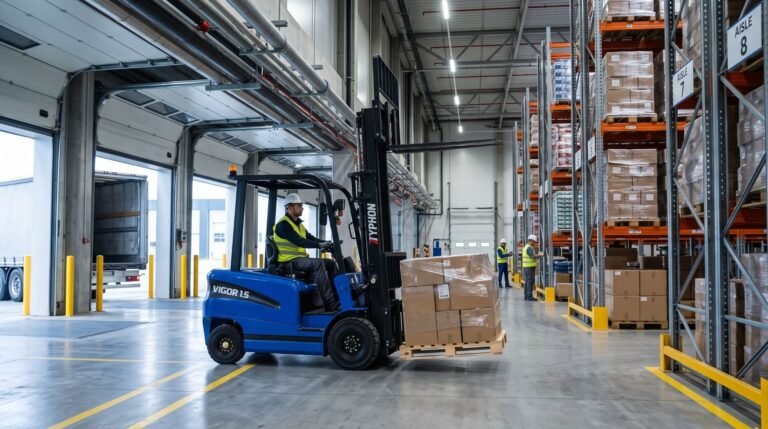
Walk into a modern warehouse, distribution center, or manufacturing facility today, and there’s a good chance you’ll hear less engine noise than you would have a decade ago. That shift is happening because more companies are replacing traditional fuel-powered equipment with electric forklifts.
On real jobsites, the decision is rarely about trends. It usually comes down to operating costs, indoor air quality, maintenance downtime, and how efficiently equipment can move materials throughout the day.
Many businesses assume electric forklifts are only suitable for lightweight warehouse tasks. That’s one of the biggest misconceptions in the industry. Modern electric forklifts are now capable of handling demanding workloads that were once dominated by diesel or LPG machines.
Understanding how electric forklifts work — and where they make the most sense — helps businesses improve productivity, reduce long-term costs, and create safer working environments.
Understanding What an Electric Forklift Actually Does
In many warehouses and indoor facilities, operators spend hours moving pallets, loading inventory, stacking materials, and navigating tight aisles. Traditional internal combustion forklifts can handle the workload, but they also introduce exhaust fumes, engine noise, and regular fuel-related maintenance.
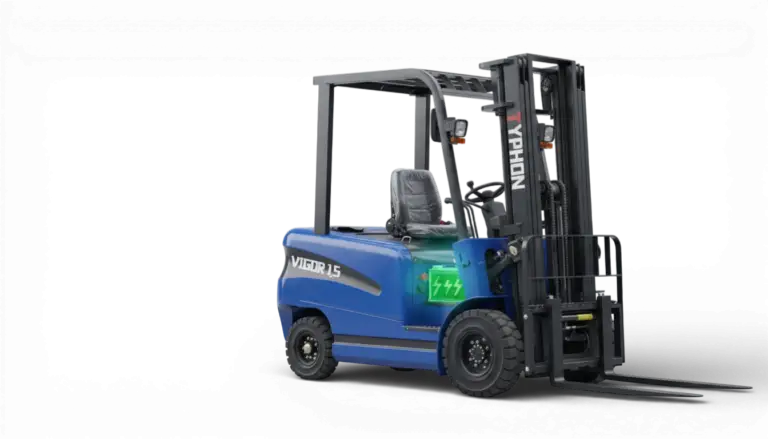
An electric forklift solves those issues by using battery-powered electric motors instead of diesel, gasoline, or LPG engines.
The machine works through a rechargeable battery system that powers both the drive motor and hydraulic lifting components. Operators still get lifting power and maneuverability, but without combustion emissions.
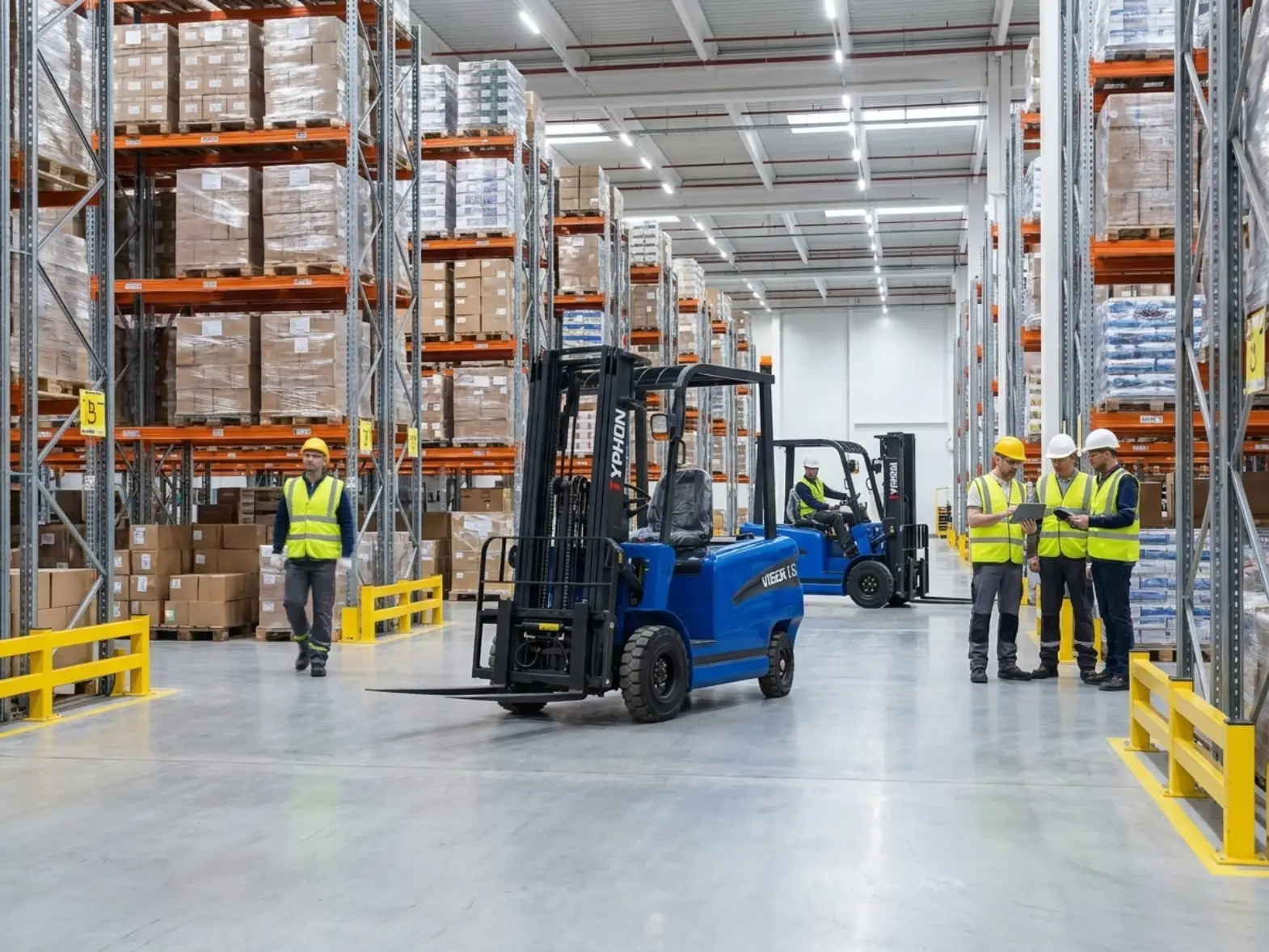
This becomes especially important in enclosed environments where ventilation matters. Food storage facilities, retail warehouses, pharmaceutical plants, and manufacturing lines often prefer electric forklifts because they produce zero direct exhaust emissions during operation.
Beyond cleaner operation, electric forklifts also reduce vibration and noise. Operators typically experience smoother handling, which can improve comfort during long shifts.
As battery and motor technology improved, electric forklifts started becoming practical for heavier and longer daily workloads.


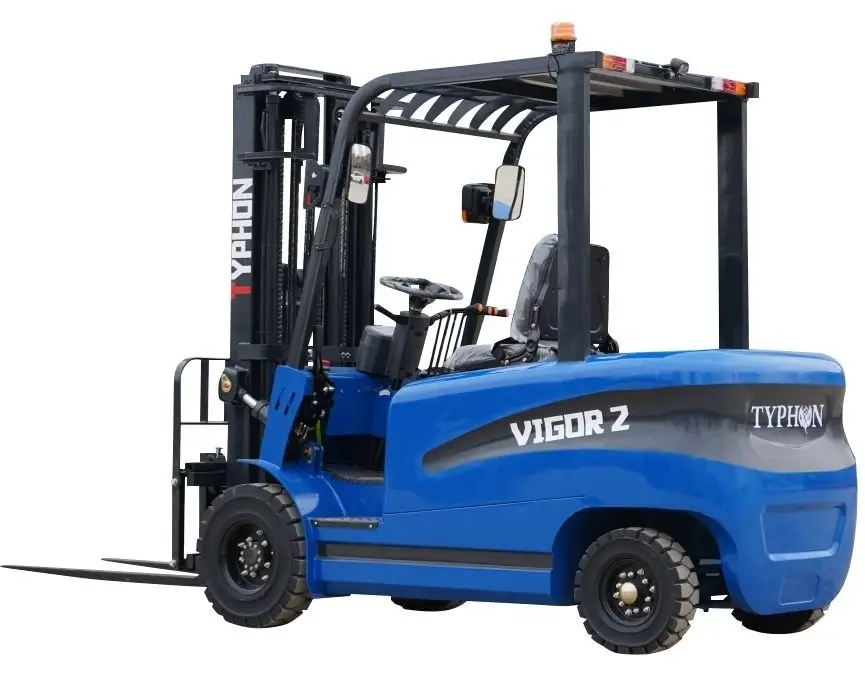
Why Smaller Electric Forklifts Work So Well Indoors
For lighter warehouse operations, compact electric forklifts are often the most efficient option.
In smaller facilities, maneuverability matters more than raw lifting capacity. Operators frequently work in narrow aisles, crowded inventory areas, and tight loading zones where larger machines become inefficient.
Compact electric forklifts are designed specifically for these environments. Their tighter turning radius allows operators to move quickly without constantly repositioning equipment.
Another major advantage is reduced operational interruption. Since there’s no engine warm-up and fewer moving mechanical parts, daily startup procedures are simpler compared to fuel-powered units.
This matters in high-frequency operations where forklifts stop and start continuously throughout the day.
A small e-commerce warehouse, for example, may prioritize speed and precision over extreme lifting capacity. In those situations, an electric forklift can outperform larger fuel-powered alternatives simply because it moves more efficiently through the workspace.
As businesses scale, however, workload demands often increase beyond what compact models can comfortably handle.

When Higher-Capacity Electric Forklifts Become Necessary
As inventory volume grows, facilities often start handling heavier pallets, taller storage racks, and longer operating shifts.
At that point, entry-level electric forklifts may no longer provide enough lifting power or battery endurance.
Higher-capacity electric forklifts are designed for these larger operational demands. Modern lithium-ion battery systems have significantly expanded runtime capabilities, making electric models viable for multi-shift operations.
This is one reason large logistics centers and distribution hubs are increasingly investing in electric fleets.
Compared to older lead-acid systems, newer lithium-ion setups offer faster charging times, reduced maintenance requirements, and more consistent performance throughout the workday.
In practical terms, that means fewer interruptions, less battery maintenance, and improved workflow consistency.
For example, a large retail distribution center moving thousands of pallets daily may rely on high-capacity electric forklifts because they reduce fuel costs while still maintaining operational productivity.
The key difference is that these larger electric units are no longer viewed as “light-duty alternatives.” In many facilities, they are becoming the primary equipment choice.
Where Heavy-Duty Electric Forklifts Make Sense — And Where They Don’t
There are still environments where diesel forklifts remain common, especially in outdoor heavy industrial applications involving rough terrain, extreme lifting demands, or nonstop multi-shift usage without charging access.
However, heavy-duty electric forklifts are rapidly improving in these areas as well.
Ports, manufacturing plants, and large industrial warehouses are beginning to adopt high-capacity electric forklifts capable of lifting several tons while maintaining lower operating emissions.
The advantages are clear:
- Lower fuel expenses
- Reduced engine maintenance
- Quieter operation
- Improved indoor air quality
- Lower long-term operational costs
But there are trade-offs.
Heavy-duty electric forklifts typically require larger battery systems and charging infrastructure. Initial purchase costs can also be higher compared to some combustion-powered alternatives.
For operations running around the clock without scheduled charging windows, battery management becomes a critical factor.
In other words, electric forklifts make the most sense when businesses can balance workload demands with charging logistics and long-term operating savings.
Electric Pallet Jacks and Other Flexible Alternatives
Not every operation requires a full-size forklift.
In many facilities, electric pallet jacks, walkie stackers, and reach trucks provide more practical solutions for daily material handling.
These alternatives are often used when flexibility, aisle access, and lower operating costs matter more than maximum lifting power.
For example, retail backrooms and small warehouses may use electric pallet jacks for moving palletized inventory quickly without requiring a licensed forklift operator for every task.
Reach trucks, on the other hand, are designed for taller warehouse shelving systems where vertical storage efficiency is critical.
Compared to standard forklifts, these machines are often more specialized for indoor logistics workflows.
The important point is that choosing the right equipment depends on how materials move through the facility — not simply on machine size.
How to Choose the Right Electric Forklift
Choosing the right electric forklift starts with understanding the actual daily workload.
Many businesses overestimate the lifting capacity they need while underestimating operational factors like aisle width, charging access, shift length, and floor conditions.
A practical evaluation usually includes:
- Average pallet weight
- Maximum lift height
- Indoor vs outdoor usage
- Daily operating hours
- Charging opportunities
- Warehouse aisle dimensions
- Maintenance capabilities
For most indoor warehouses, electric forklifts provide strong long-term value because they reduce fuel expenses, simplify maintenance, and improve operator comfort.
Smaller operations may prioritize maneuverability and lower upfront cost, while larger facilities often focus on battery efficiency and fleet uptime.
The goal isn’t simply to buy the largest forklift available. It’s to choose equipment that matches the actual workflow efficiently and reliably over time.
Conclusion
Electric forklifts have evolved far beyond their original role as lightweight indoor warehouse machines.
Today’s models can support everything from compact storage facilities to large-scale distribution centers, offering quieter operation, lower emissions, and reduced long-term maintenance costs.
The most important factor is not choosing the biggest machine or the newest technology. It’s selecting equipment that fits the real demands of the jobsite.
As battery systems continue improving and businesses focus more on efficiency and operational cost control, electric forklifts will likely become an even larger part of modern material handling operations.
Frequently Asked Questions
What is an electric forklift?
An electric forklift is a battery-powered material handling machine used to lift, move, and stack pallets or heavy materials without using a combustion engine.
How do I choose the right electric forklift?
Choose based on pallet weight, lift height, operating hours, aisle space, and whether the machine will be used indoors or outdoors.
What is the best electric forklift for warehouse use?
Compact or mid-size electric forklifts are usually best for warehouse operations because they offer better maneuverability and cleaner indoor operation.
Is an electric forklift worth it?
For many indoor operations, electric forklifts are worth the investment because they reduce fuel costs, lower maintenance requirements, and improve workplace air quality.
What is the difference between electric and diesel forklifts?
Electric forklifts use rechargeable batteries and produce no direct exhaust emissions, while diesel forklifts rely on combustion engines that typically provide higher outdoor heavy-duty performance.