
Choosing between an electric forklift and a diesel forklift is one of the most important equipment decisions for warehouses, construction yards, and industrial facilities. The wrong choice can increase fuel costs, slow down operations, and create unnecessary maintenance problems over time.
On real jobsites, the decision usually comes down to workload, environment, operating hours, and long-term efficiency—not just lifting capacity.
Many businesses assume diesel forklifts are always more powerful, while electric forklifts are only suitable for light warehouse tasks. That idea is becoming outdated. Modern electric forklifts are now capable of handling demanding operations that were once dominated by diesel machines.
At the same time, diesel forklifts still offer advantages in heavy outdoor applications where nonstop operation and rough conditions matter more than emissions or indoor comfort.
Understanding the differences between these two forklift types helps businesses improve workflow, reduce downtime, and make smarter long-term investments.
Why Diesel Forklifts Became the Industry Standard
For decades, diesel forklifts were the preferred choice for heavy-duty material handling.
Construction sites, lumber yards, shipping terminals, and outdoor industrial facilities needed machines that could handle rough terrain, long operating hours, and heavy loads without frequent interruptions.
Diesel forklifts became popular because they deliver strong torque and reliable lifting power for demanding environments.
They can operate for long periods with quick refueling, which is especially useful for businesses running multiple shifts without time for battery charging.
Outdoor environments also reduce concerns about engine emissions and ventilation, making diesel forklifts practical for open-air operations.
In real-world conditions, diesel forklifts perform well when:
- Loads are extremely heavy
- Ground conditions are uneven
- Operations run continuously
- Outdoor durability matters most
However, as fuel prices and maintenance costs increase, many companies are starting to reconsider whether diesel is still the most efficient long-term option.

Where Electric Forklifts Started Changing the Industry
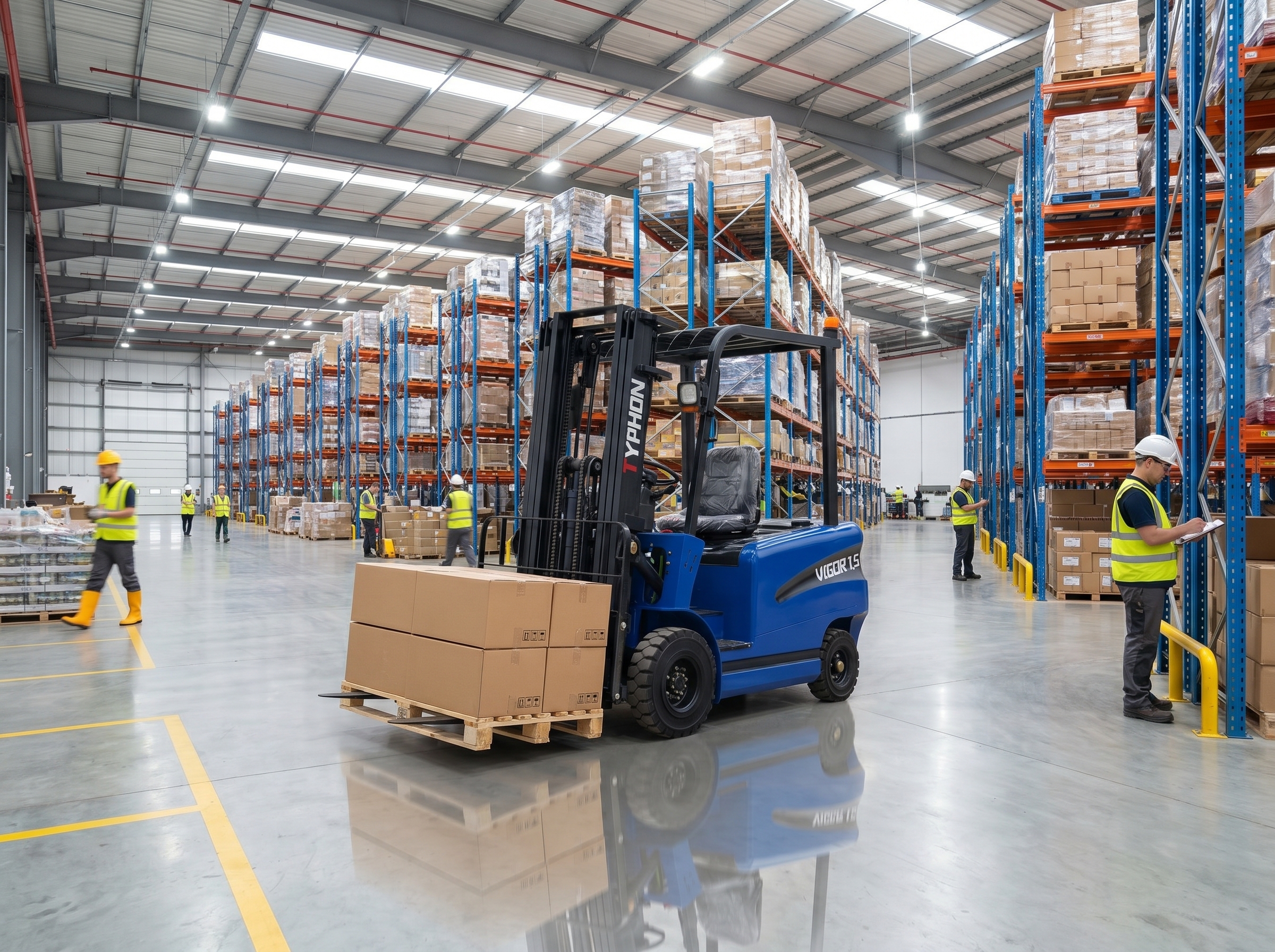
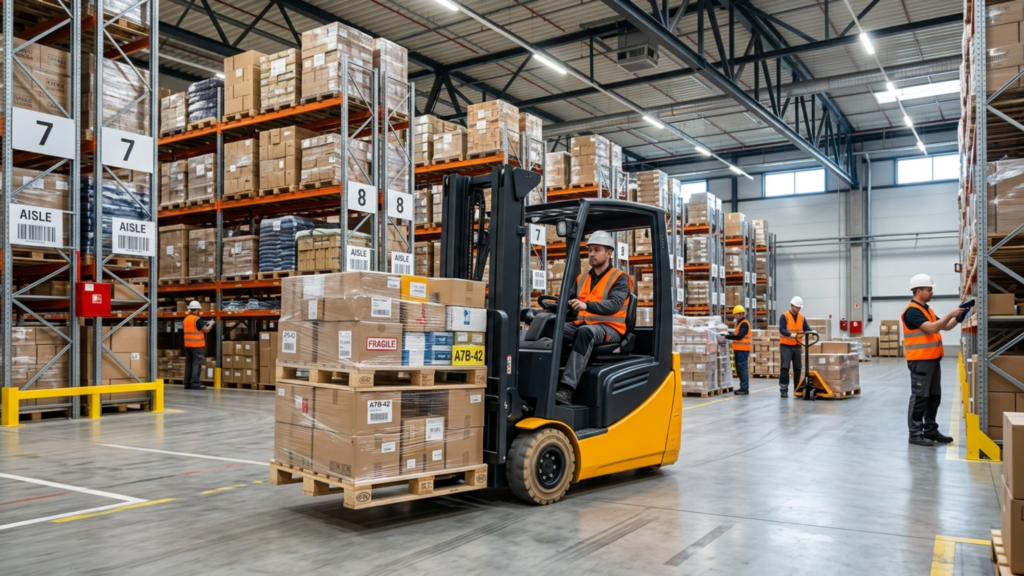
As warehouses expanded and indoor logistics became more advanced, businesses needed forklifts that could operate efficiently inside enclosed spaces.
Diesel forklifts created problems in these environments because exhaust fumes, engine noise, and ventilation requirements affected both workers and product storage conditions.
Electric forklifts solved many of these issues.
Instead of combustion engines, electric forklifts use rechargeable battery systems to power both movement and lifting functions.
This creates several important advantages:
- No direct exhaust emissions
- Lower noise levels
- Reduced vibration
- Simpler maintenance
- Smoother indoor operation
For warehouse operations with narrow aisles and continuous pallet movement, electric forklifts often improve workflow efficiency because they are easier to maneuver and more comfortable for operators during long shifts.
A retail distribution center, for example, may prioritize clean indoor operation and reduced operating costs over extreme lifting performance.
As battery technology improved, electric forklifts became capable of handling larger workloads than many businesses expected.
Comparing Operating Costs and Long-Term Efficiency
One of the biggest differences between electric and diesel forklifts is long-term operating cost.
Diesel forklifts require the following:
- Fuel
- Engine oil changes
- Filter replacements
- Cooling system maintenance
- More frequent engine servicing
Over time, these costs can become significant, especially for large fleets operating daily.
Electric forklifts generally have fewer moving mechanical parts, which reduces maintenance complexity and repair frequency.
Electricity costs are also usually more predictable than diesel fuel prices.
Modern lithium-ion battery systems further improve efficiency by reducing charging downtime and eliminating some maintenance associated with older lead-acid batteries.
For high-volume warehouse operations, lower maintenance requirements can translate into:
- Less downtime
- Lower repair expenses
- Improved fleet reliability
- Better long-term cost control
However, electric forklifts often have higher upfront purchase costs because of advanced battery systems and charging infrastructure.
The financial advantage typically becomes more noticeable over long-term operation rather than during the initial purchase phase.
Heavy-Duty Outdoor Work Still Favors Diesel in Some Situations
Despite the growth of electric technology, diesel forklifts still dominate certain industries for practical reasons.
Outdoor construction sites, ports, steel yards, and rough-terrain applications often require nonstop heavy lifting in environments where charging access may be limited.
Diesel forklifts handle these situations well because they can refuel quickly and continue operating without long charging cycles.
They also tend to perform better in extreme weather or rugged outdoor terrain where heavy-duty durability is critical.
But these benefits come with trade-offs.
Diesel forklifts usually generate the following:
- Higher fuel expenses
- More engine noise
- Increased maintenance needs
- Higher emissions
For businesses primarily operating indoors, those disadvantages may outweigh the performance benefits.
In other words, diesel forklifts make the most sense when heavy outdoor operation and continuous runtime are more important than indoor efficiency or environmental concerns.
Alternative Equipment Options for Specialized Workflows
Not every operation requires a standard forklift.
Some facilities improve efficiency by using specialized electric equipment such as:
- Reach trucks
- Electric pallet jacks
- Walkie stackers
- Order pickers
These machines are often more practical in tight warehouse environments where maneuverability and vertical storage access matter more than maximum lifting capacity.
For example, a narrow-aisle warehouse may achieve faster inventory movement with reach trucks instead of traditional forklifts.
On the other hand, outdoor construction suppliers may still rely heavily on diesel forklifts because they need rugged lifting performance across uneven surfaces.
The best equipment choice depends on how materials actually move through the operation each day.
How to Choose Between Electric and Diesel Forklifts
The right forklift depends on the type of work being performed.
Businesses should evaluate the following:
- Indoor vs outdoor usage
- Daily operating hours
- Average load weight
- Fuel and electricity costs
- Maintenance capabilities
- Charging availability
- Operator comfort
- Environmental requirements
Electric forklifts are often the better option for:
- Indoor warehouses
- Distribution centers
- Manufacturing facilities
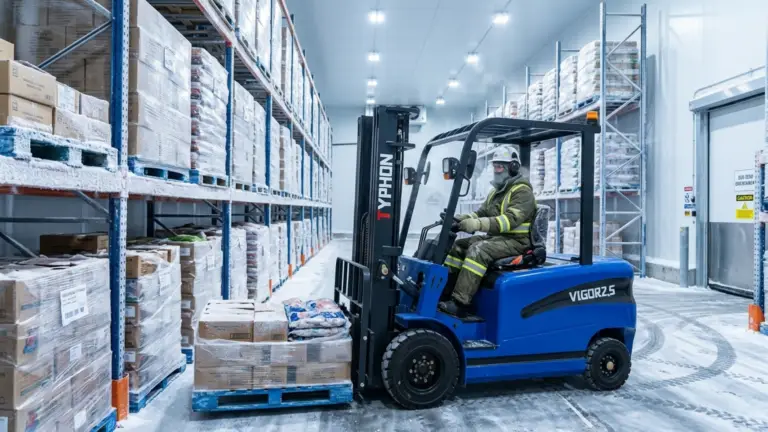
- Food and pharmaceutical storage
Diesel forklifts are usually better suited for:
- Outdoor construction sites
- Heavy industrial yards
- Rough terrain applications
- Continuous heavy lifting operations
Instead of focusing only on horsepower or lifting capacity, businesses should think about total operational efficiency over several years of use.
The most productive forklift is the one that matches the actual workflow consistently and cost-effectively.
Conclusion
Electric forklifts and diesel forklifts both have important roles in modern material handling operations.
Electric forklifts offer cleaner operation, lower maintenance, quieter performance, and better indoor efficiency. Diesel forklifts continue to provide strong heavy-duty performance for demanding outdoor environments.
The best choice depends less on machine size and more on how the equipment fits the real conditions of the jobsite.
As battery technology continues improving, electric forklifts are becoming increasingly capable across more industries. But for some heavy outdoor operations, diesel forklifts still remain a practical and reliable solution.
Choosing the right forklift means balancing productivity, operating costs, environment, and long-term operational goals.
Frequently Asked Questions
What is the difference between electric and diesel forklifts?
Electric forklifts use rechargeable batteries and produce no direct exhaust emissions, while diesel forklifts use combustion engines designed for heavy outdoor work.
Which is better: an electric forklift or a diesel forklift?
Electric forklifts are generally better for indoor warehouse operations, while diesel forklifts are often better for heavy-duty outdoor applications.
Are electric forklifts cheaper to maintain?
Yes. Electric forklifts usually require less maintenance because they have fewer moving engine components and no fuel system maintenance.
Can electric forklifts replace diesel forklifts?
In many warehouse and distribution operations, modern electric forklifts can replace diesel models. However, some extreme outdoor environments may still favor diesel equipment.
Are diesel forklifts more powerful than electric forklifts?
Diesel forklifts traditionally provided more heavy-duty lifting power, but modern high-capacity electric forklifts are now capable of handling many demanding industrial workloads.