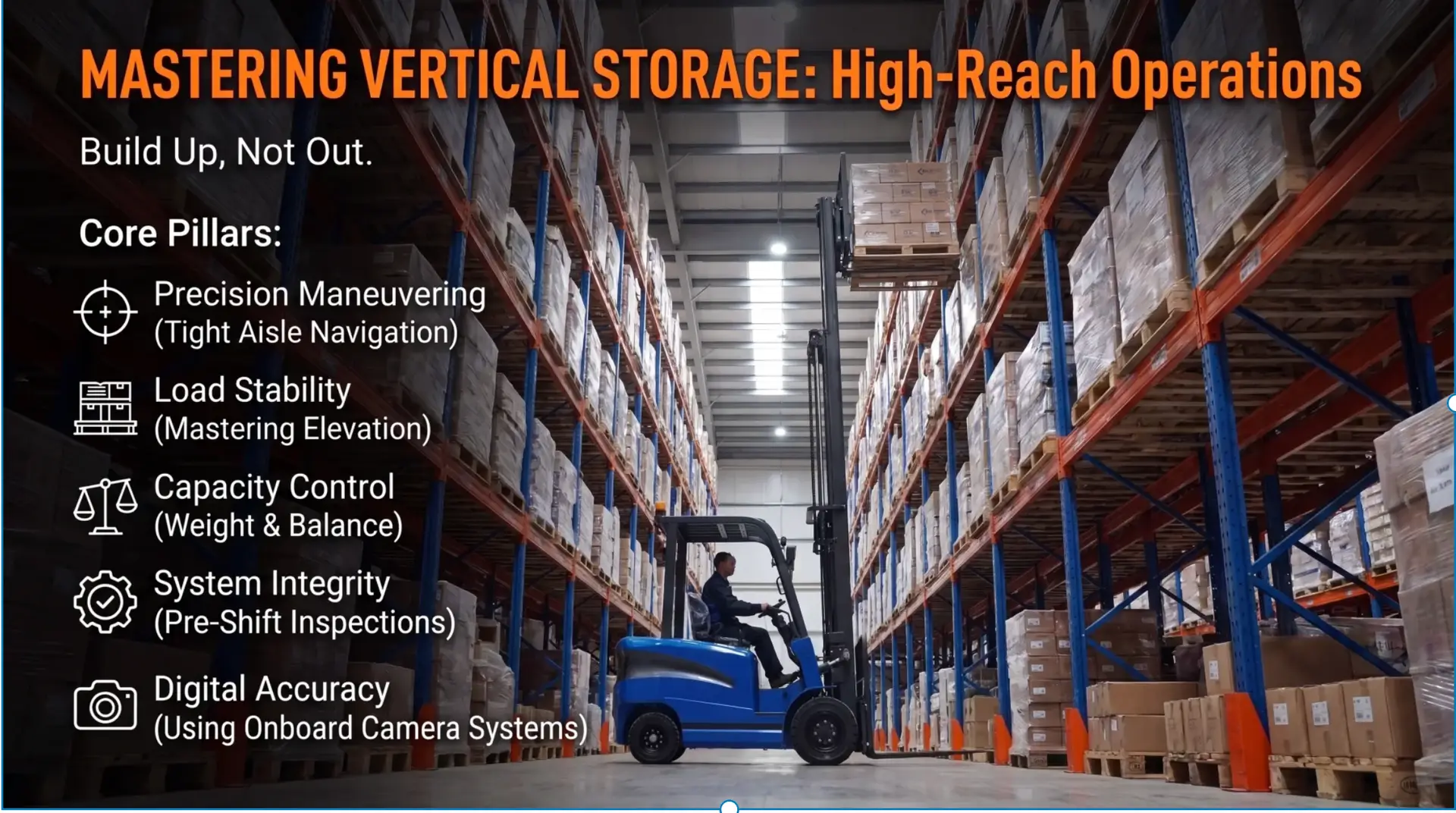
A Guide to Using High Reach Forklifts for Vertical Storage
Warehouse space keeps getting more expensive, so the smartest move is often to build up rather than out. High-reach forklifts, or reach trucks, make that possible by lifting pallets into racks that climb well past 30 feet. But height brings its own challenges. The higher you lift, the smaller your margin for error becomes, and mistakes at elevation carry real consequences for your product, your equipment, and your people. This guide walks you through the

Understanding Three-Wheel vs. Four-Wheel Forklifts
You back up to a loaded trailer, glance at the pallet, then spin the wheel to line up your fork. That single turn tells you almost everything about whether you picked the right forklift. Cramped between racking with a machine that won’t pivot, you’ll fight the aisle all shift. Out on a gravel yard with a light-footed truck that skates on loose ground, you’ll wish you had more machine underneath you. The gap between a
Top Causes of Forklift Accidents and How to Avoid Them
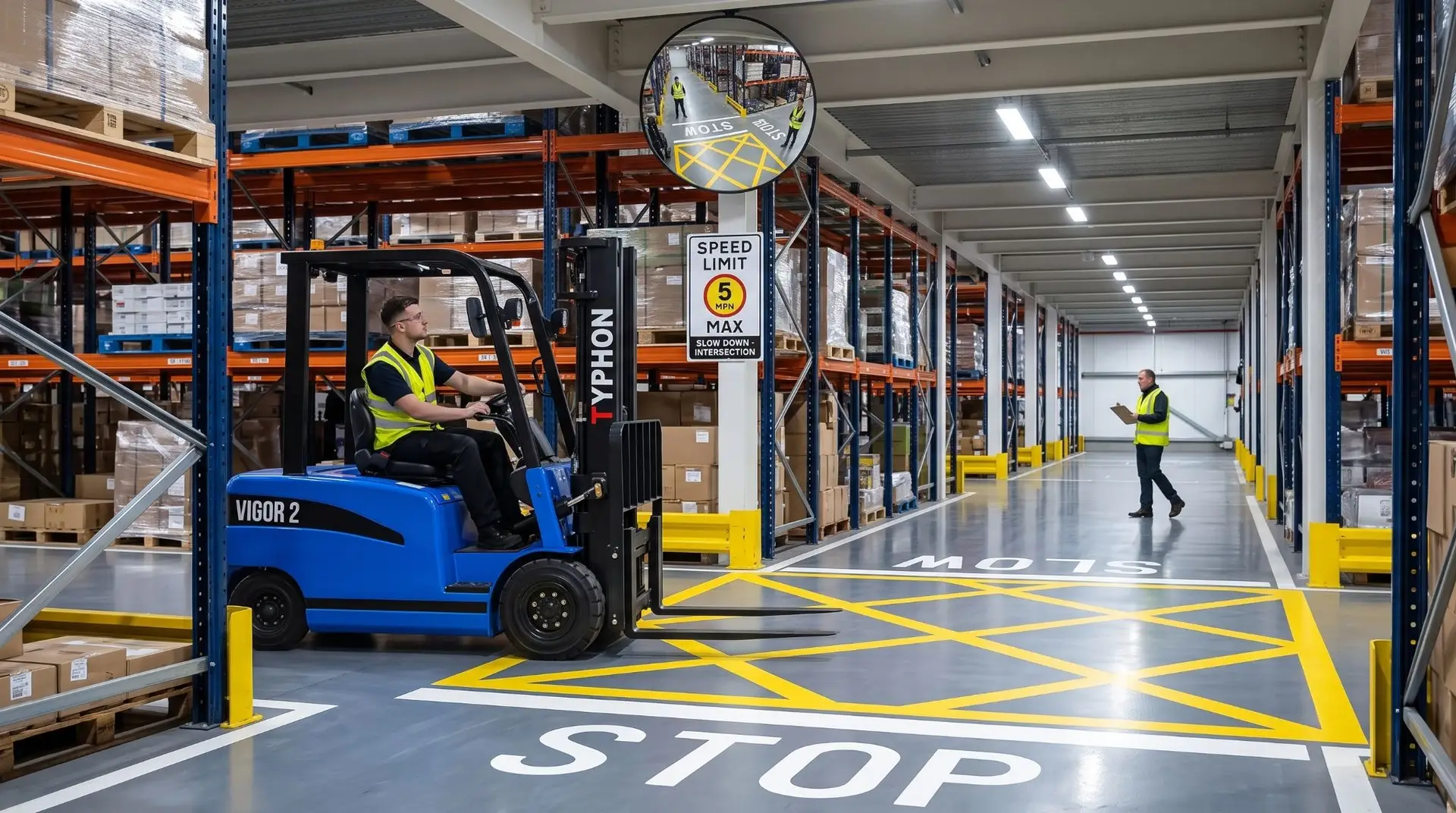
A forklift can move two tons of product across your warehouse in seconds. That same power can crush a foot, topple a rack, or pin a worker just as fast. Forklifts are among the most useful machines on any site and among the most dangerous, and the frustrating truth is that most accidents trace back to a handful of preventable causes. One skipped inspection, one rushed turn, one overloaded fork, and a routine shift turns

The Evolution of Forklift Batteries: From Lead-Acid to Lithium-Ion
The battery inside your forklift shapes far more than how long the machine runs between charges. It affects your labor costs, your warehouse layout, your safety practices, and the productivity of every shift you run. For decades, material handling operations built their routines around the strengths and limitations of lead-acid power, accepting the maintenance, the swapping, and the dedicated charging rooms as simply part of the job. Then lithium-ion arrived and changed the calculation entirely.
Selecting the Right Forklift for Rough Terrain Construction Sites
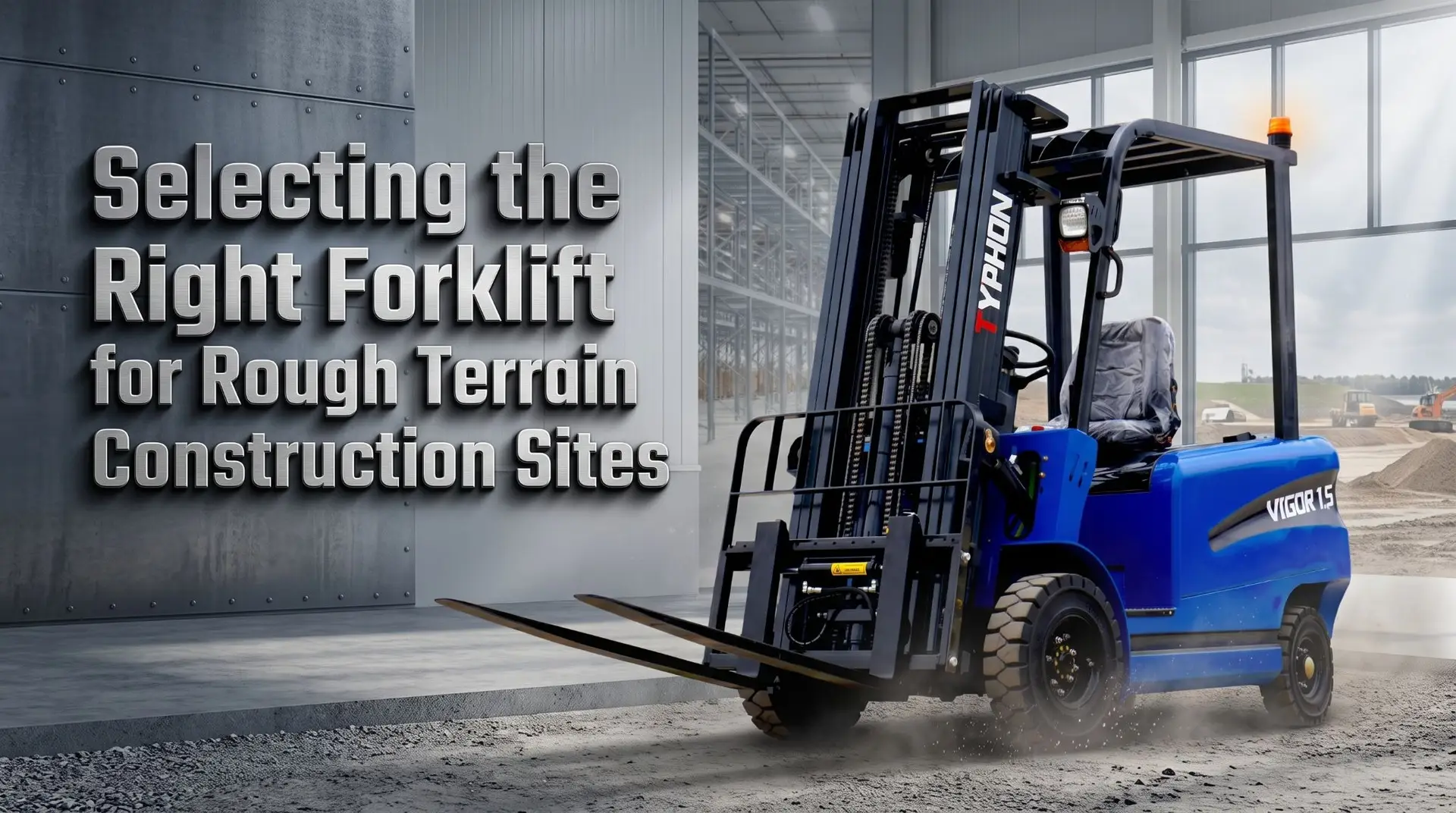
Choosing the right rough-terrain forklift shapes how smoothly your entire site runs, because the machine you pick has to perform on ground that punishes equipment built for smooth warehouse floors. A construction site throws everything at a forklift, from churned mud and loose gravel to steep ramps and tight corners crowded with material stacks, and the wrong choice shows up fast as bogged-down tires, stalled engines, and frustrated crews losing hours they cannot get back.
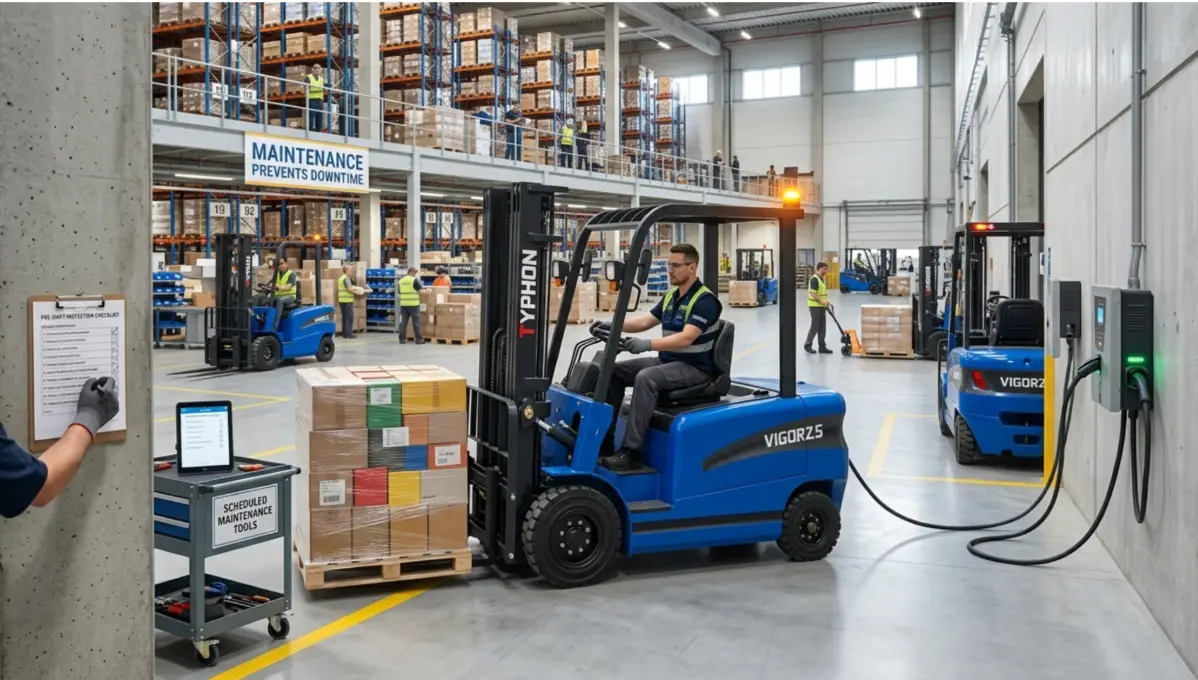
How to Reduce Forklift Downtime During Busy Shifts
A forklift sitting idle during your busiest hours is one of the most expensive problems in any warehouse. When equipment stops, orders back up, crews are left standing around waiting, and a single breakdown can throw off an entire shift’s schedule. The frustrating reality is that most forklift downtime is not just bad luck. It often traces back to small, manageable issues that were left unchecked until they finally failed at the worst possible moment.