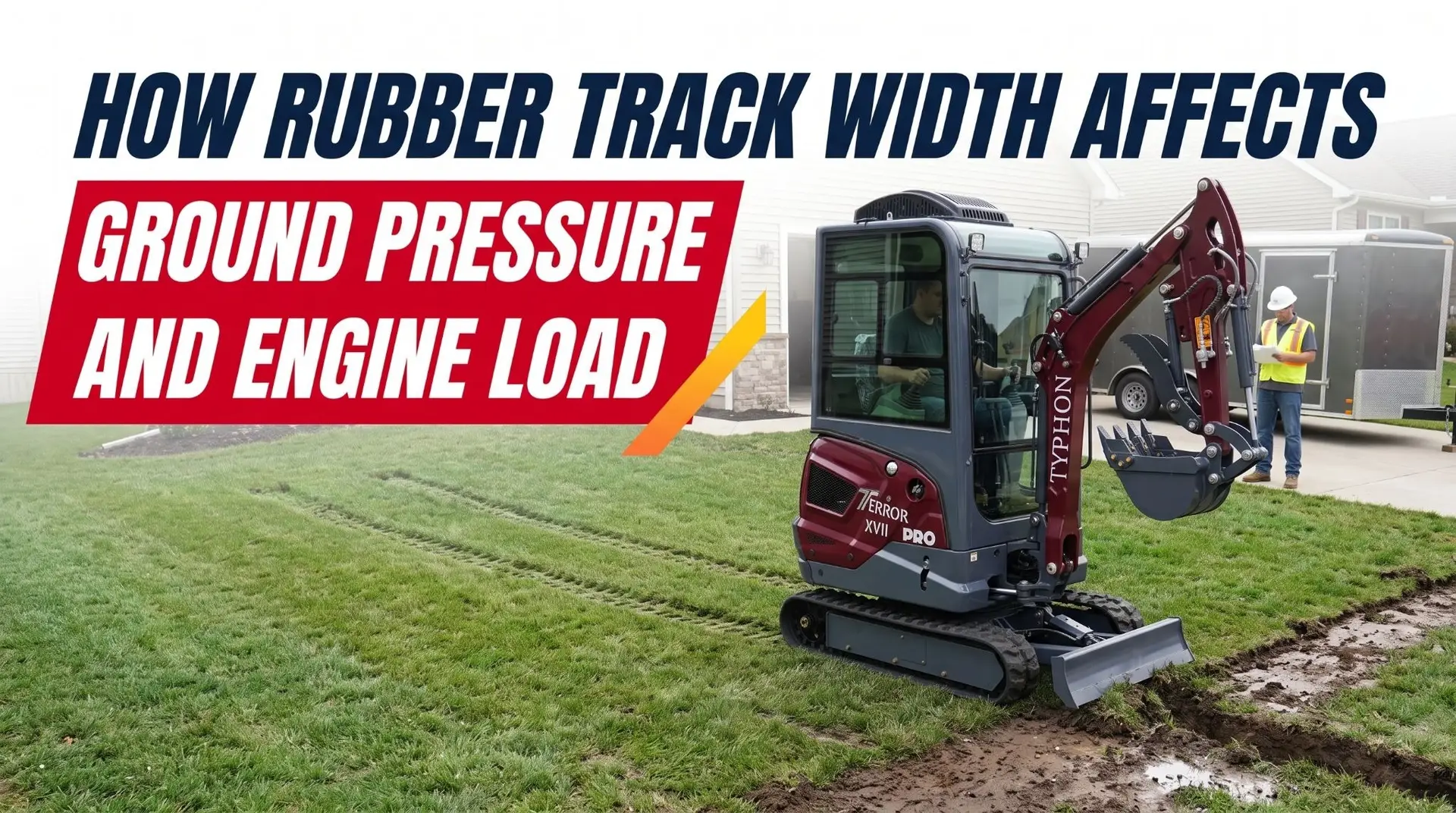
How Rubber Track Width Affects Ground Pressure and Engine Load
A utility contractor rolls a mini excavator off the trailer at a backyard job where a homeowner’s freshly seeded lawn stretches between the driveway and the trench line that needs digging. The soil is soft from a week of rain, and the machine has to cross forty feet of that lawn to reach the work. An operator running narrow tracks eases forward and watches the edges begin to sink, carving two muddy ruts that will
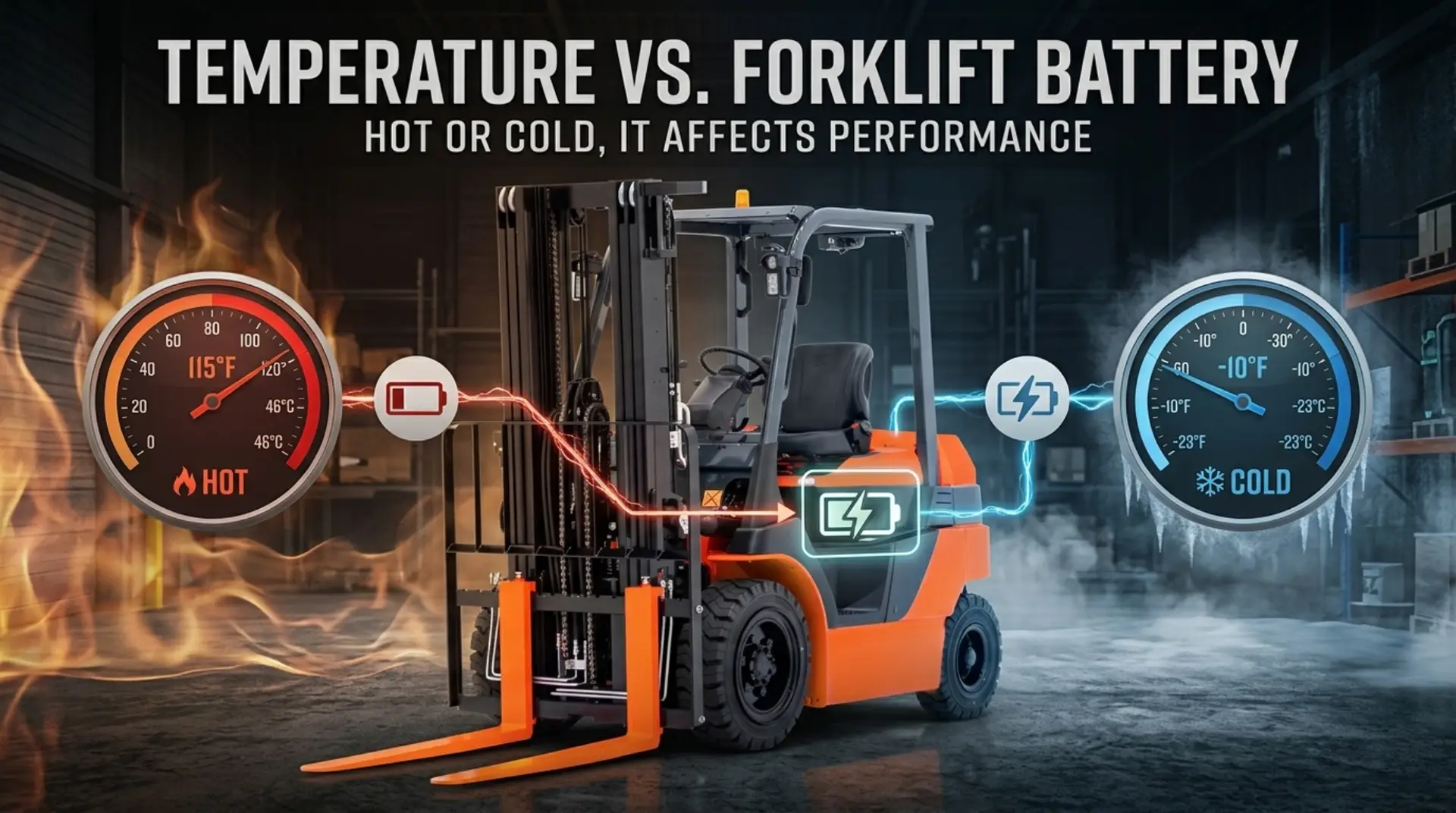
How Temperature Changes Forklift Battery Life and Performance
A forklift battery is one of the biggest investments in any material handling operation, and temperature quietly shapes how well that investment performs. Whether your machines run through a sweltering summer warehouse or a frigid cold-storage facility, the temperature around a battery affects its power, its charging behavior, and how many years of service you’ll get from it. Many operators notice their batteries behaving differently as the seasons change without fully understanding why, and that
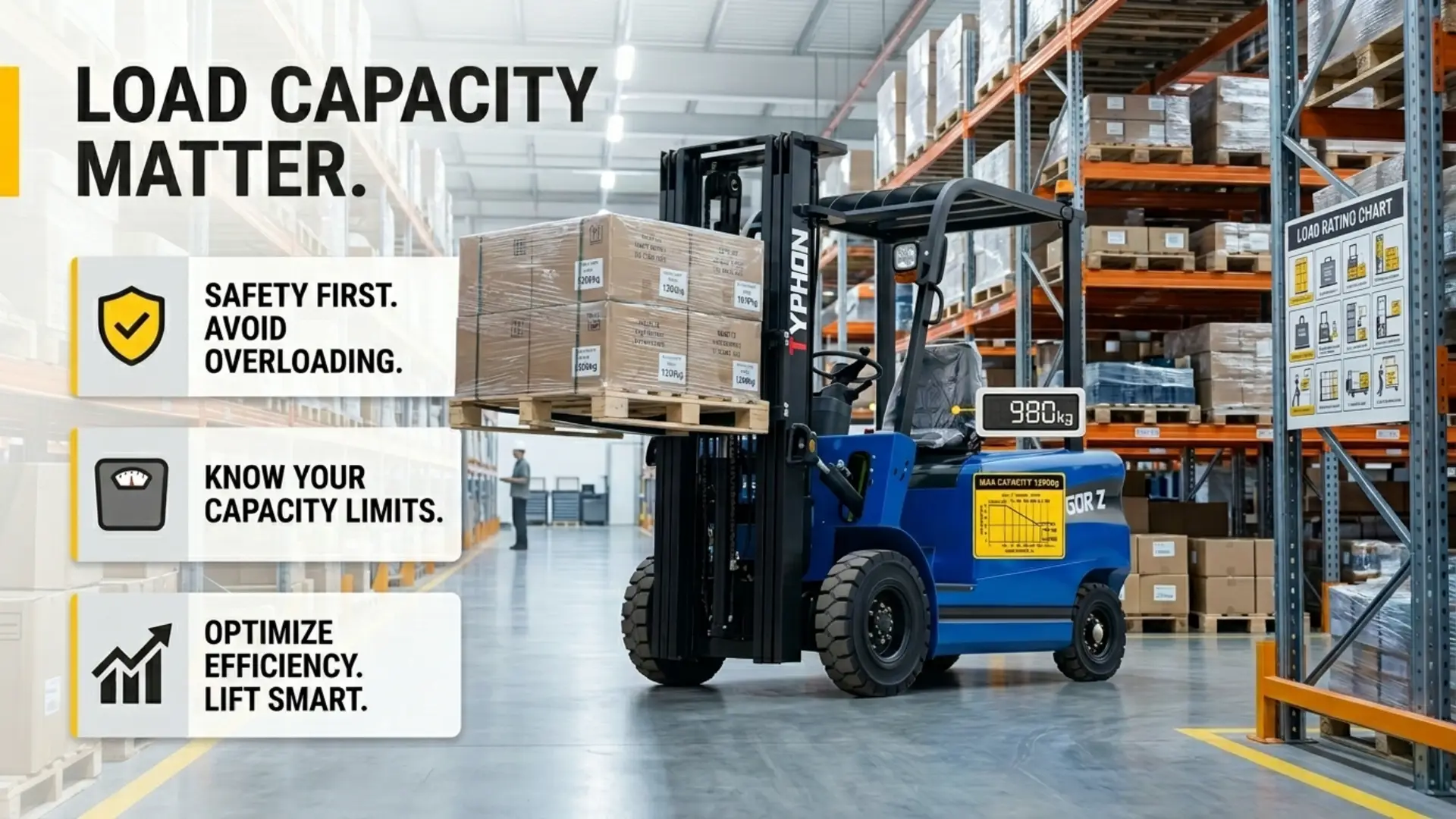
Why the Right Forklift Capacity Makes a Difference
A forklift is only as safe and productive as the load it’s built to handle. Push past its rated capacity, and you invite instability, damaged goods, and serious injuries. Stay within it, and the machine performs exactly as designed, shift after shift. Weight capacity isn’t a technical detail to skim over in the manual; it’s a fundamental factor that shapes safety, efficiency, and equipment longevity across your entire operation. This post explains why forklift weight
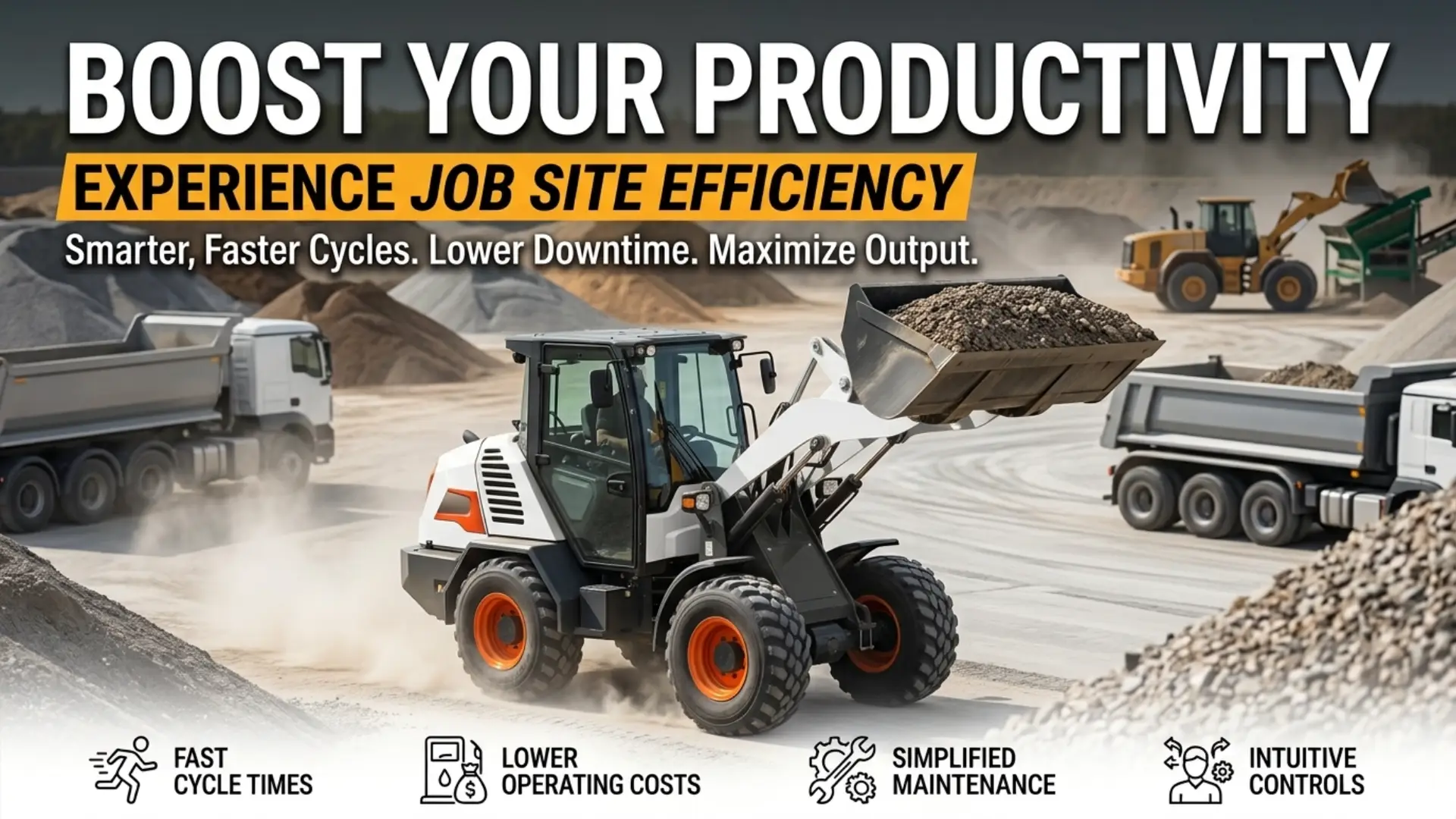
Boosting Job Site Efficiency Through Better Wheel Loader Operations
A wheel loader is only as productive as the way you operate, equip, and maintain it. Move the same material in fewer passes, and you cut fuel use, save time, and get more done before the shift ends. But small inefficiencies add up fast, quietly draining productivity and driving up your costs. The good news is that most of them are easy to fix once you know where to look. This post walks through five
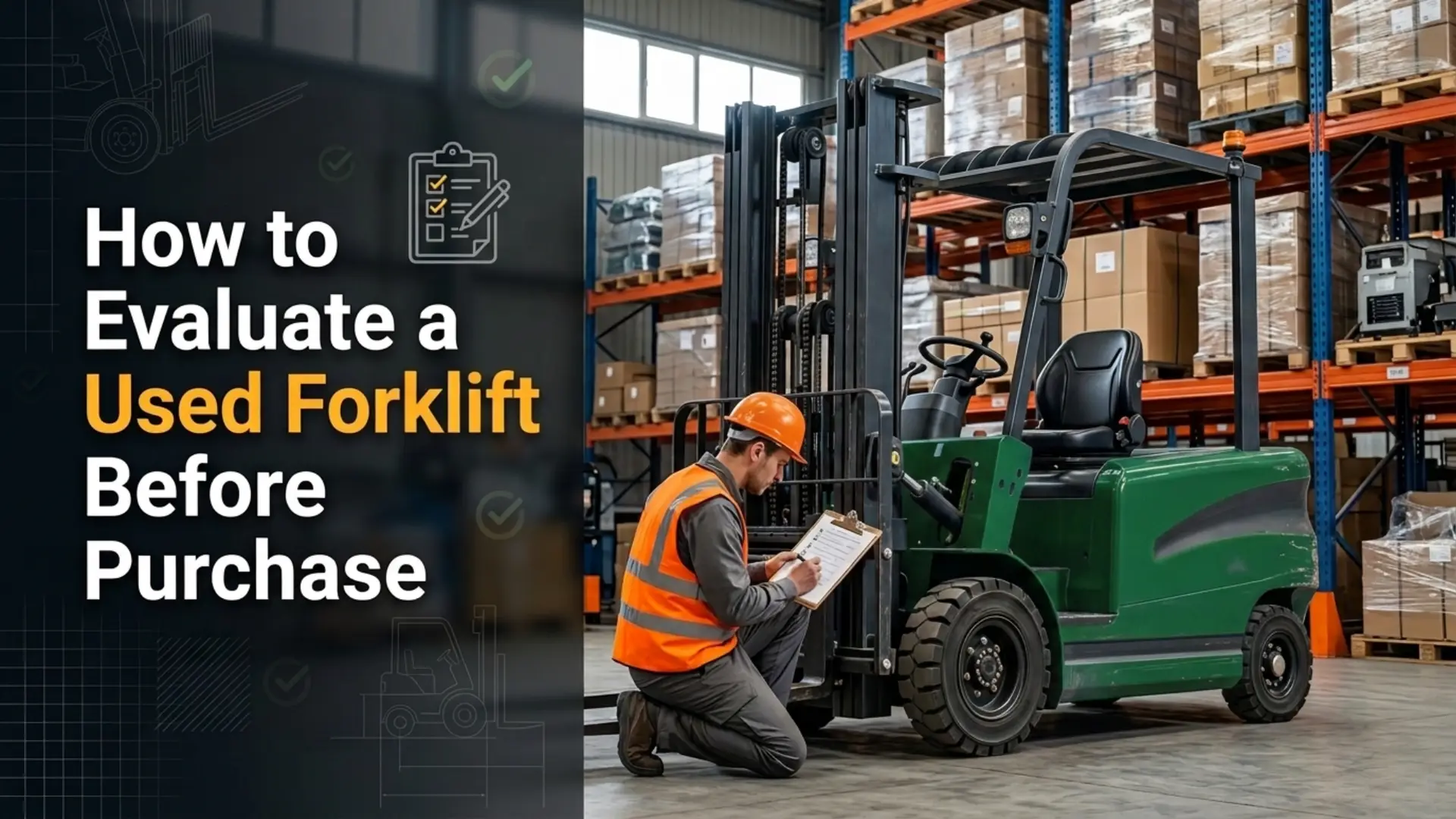
How to Evaluate a Used Forklift Before Purchase
Buying a used forklift can be one of the smartest decisions for your operation, delivering dependable material handling at a fraction of the cost of new. But a used machine only pays off when you know exactly what you’re buying. A careful evaluation protects you from hidden mechanical trouble, safety risks, and repair bills that quietly erase your savings. This guide walks you through five essential steps for evaluating a used forklift before purchase, covering
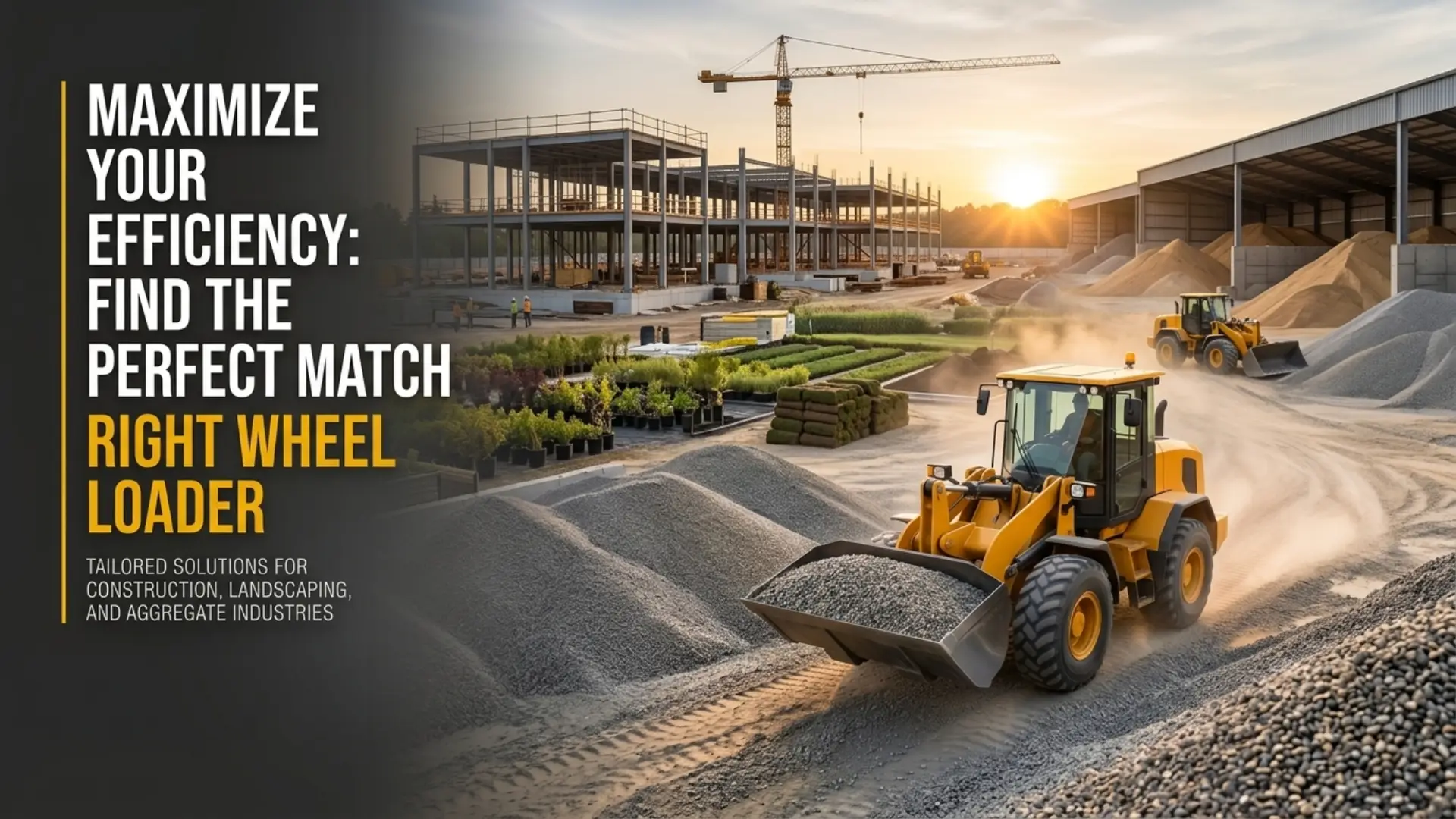
How to Choose the Right Wheel Loader for Your Business
A wheel loader is one of the most significant equipment investments a business can make, and the right choice pays dividends for years while the wrong one drains time, money, and productivity. With so many sizes, configurations, and specifications on the market, narrowing the field can feel overwhelming. The good news is that a smart decision follows a logical path. By understanding your work, matching the machine to your environment, weighing the specifications that matter,