Compaction success rarely comes down to sheer weight alone. The way a road roller vibrates does much of the real work, and getting that vibration right can be the difference between a smooth, durable surface and one that fails early. Vibration mode shapes how deeply the roller compacts, how fast it reaches target density, and how the finished surface looks and lasts. Choose the wrong settings, and you waste passes, damage the surface, or leave weak spots behind. This guide explains how frequency, amplitude, material type, and settings work together so you can compact more effectively on every job.
Vibration Frequency Affects Compaction Speed
Frequency describes how many times the drum vibrates each second, usually measured in vibrations per minute or hertz. Each of those vibrations delivers an impact into the material, so a higher frequency means more impacts packed into every moment the roller works. For many granular materials, that rapid succession of impacts helps rearrange particles quickly and drive them into a tighter, denser arrangement. The result is faster compaction, since the material reaches its target density with less time spent on the ground.
The link between frequency and speed matters most on jobs where productivity counts. When the drum delivers more impacts per second, each pass does more work, and you often reach the density you need in fewer trips across the surface. That efficiency saves fuel, time, and operator effort across a full shift. It also helps produce a more uniform result, since closely spaced impacts leave fewer gaps between compacted zones.
Higher frequency is not automatically the right answer, though. The ideal frequency depends on the material and the layer you are compacting, and pushing frequency too high on the wrong surface can waste energy or disturb the material rather than compact it. Choosing the right frequency for the job is what lets you achieve the desired density without unnecessary passes. When the frequency suits the material, the roller transfers its energy efficiently, particles settle into place quickly, and the compaction process stays productive from the first pass to the last. Matching frequency to the work is a practical way to control both quality and cost.
Amplitude Controls the Depth of Compaction
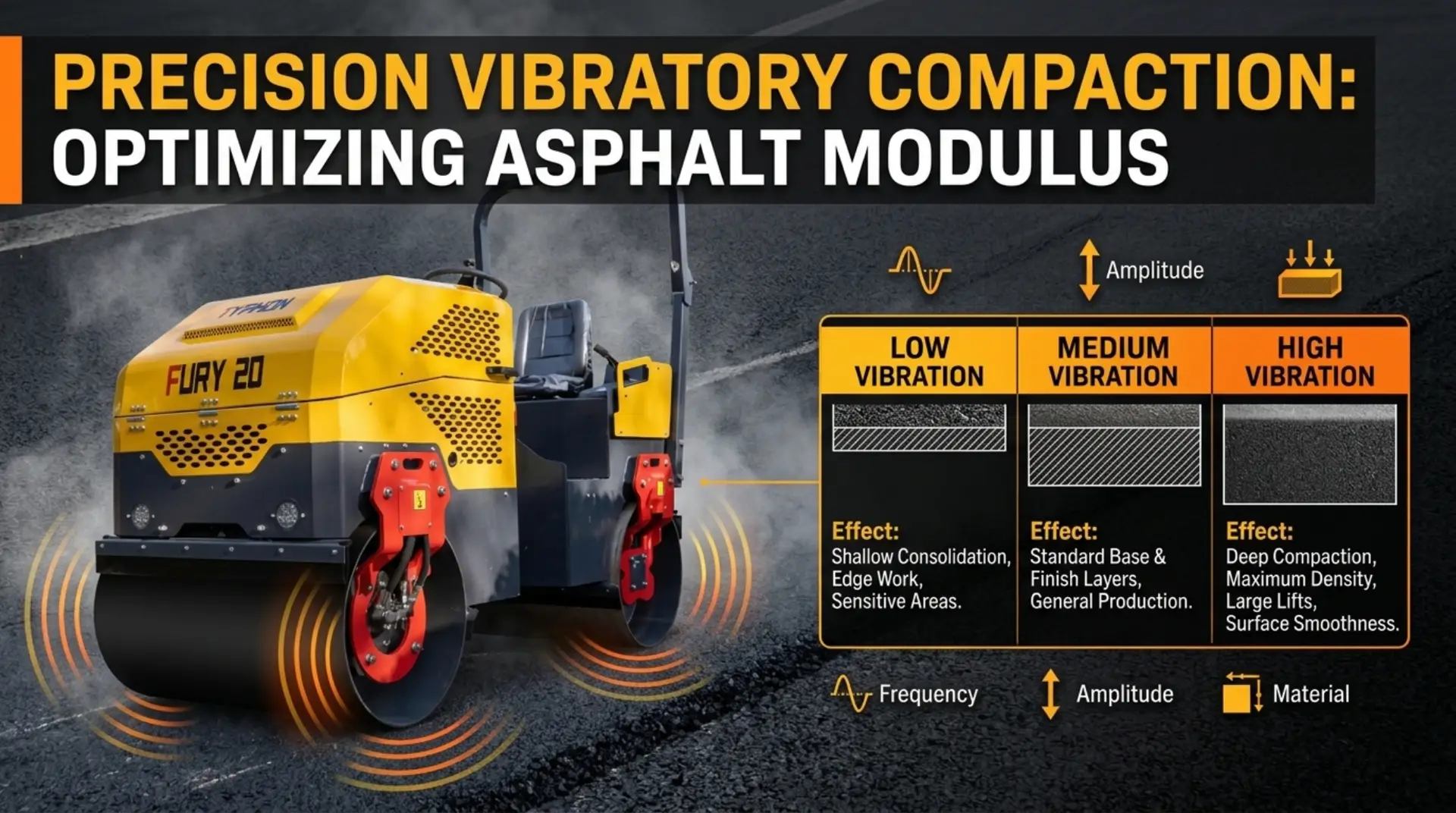
While frequency governs how often the drum strikes, amplitude governs how hard. Amplitude is the distance the drum moves up and down during each vibration, and it determines how far the compaction force reaches into the material below. A larger amplitude sends energy deeper, while a smaller amplitude concentrates its effect near the surface. Understanding this relationship is central to compacting each layer correctly.
Higher amplitude generally provides stronger compaction at greater depths. When you work with thick lifts of granular material, that deeper energy transfer is exactly what you need to compact the full layer rather than just the top. The powerful, penetrating force reaches down and consolidates material that a gentler setting would never affect. This makes high amplitude the sensible choice for base layers and heavy soil work where depth is the priority.
Lower amplitude serves a different purpose. It suits thinner layers and finishing work, where the goal is a smooth, well-compacted surface without disturbing material too deeply. Consider how amplitude choice maps to common tasks:
- High amplitude: deep compaction of thick granular lifts and base layers where penetration matters most.
- Low amplitude: thin layers, final passes, and finishing work where surface quality is the priority.
- Matching to lift thickness: the amplitude should reach through the layer being compacted without overworking it.
Selecting the correct amplitude protects both performance and the surface itself. Too much amplitude on a thin layer can loosen or displace material instead of compacting it, while too little on a thick lift leaves the lower portion weak. When amplitude matches the depth you need to reach, the roller consolidates the full layer evenly, building the strength and stability the finished work depends on.
Material Type Determines the Best Vibration Setting
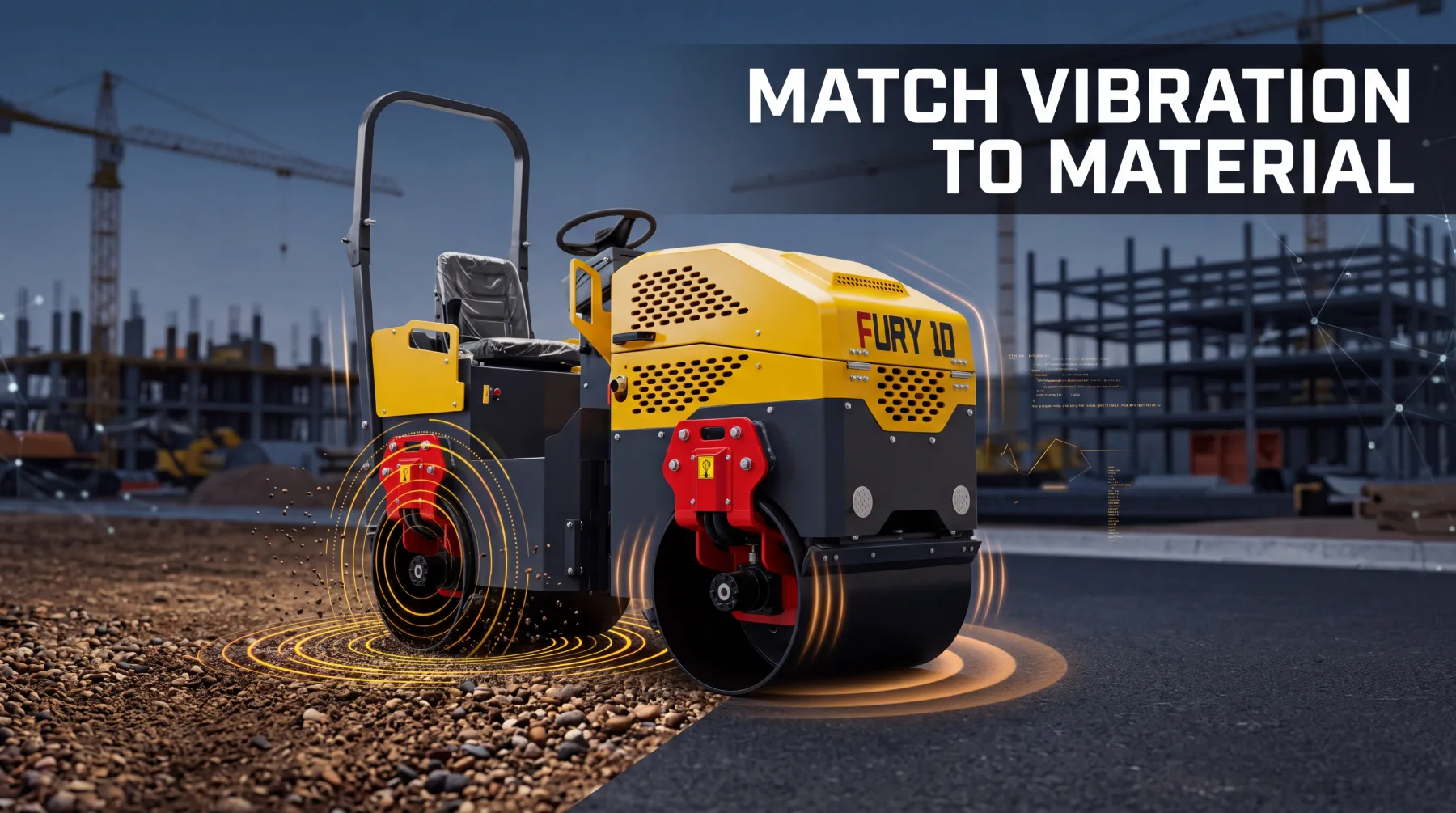
No single vibration setting works for every material, because different materials respond to vibration in very different ways. What compacts granular soil efficiently can damage asphalt, and what finishes asphalt cleanly may barely affect a deep soil lift. Reading the material in front of you is the first step toward choosing settings that compact well without causing harm.
Granular soils, such as gravel and sand, generally respond well to stronger vibration. Their loose particles rearrange readily under energetic impacts, so higher amplitude and suitable frequency help drive them into a dense, stable mass. These materials can absorb considerable vibratory energy, which is why deep, forceful compaction often works best on base and subbase layers built from granular fill.
Asphalt and more sensitive surfaces call for a different approach. Excessive vibration on asphalt can push the mix around, cause aggregate to fracture, or leave marks and unevenness on the surface. Lower settings help compact the mat gently and evenly, preserving both its density and its appearance. Sensitive situations, such as work near structures or on thin overlays, also benefit from reduced vibration to avoid unwanted movement or damage.
The practical lesson is to match the vibration mode to the material rather than applying one habit everywhere. Before compacting, consider what you are working with and what it can tolerate. Granular soil rewards stronger vibration, while asphalt and delicate surfaces reward restraint. When you tailor frequency and amplitude to the material’s behavior, the roller delivers the right amount of energy for the job. That awareness prevents damage, protects surface quality, and helps every material reach its proper density reliably, which is exactly what dependable compaction requires.
Vibration Mode Affects Surface Quality
The vibration settings you choose show up directly on the finished surface. Compaction is not only about density hidden below the surface. It is also about producing a smooth, even, and consistent result on top, and the wrong vibration mode can undermine that goal quickly. Settings mismatched to the material or layer can leave problems that are difficult and costly to correct after the fact.
Several issues trace back to poorly chosen vibration settings. Uneven compaction can occur when the energy does not suit the layer, leaving some areas denser than others. Material displacement happens when excessive vibration pushes the surface around instead of consolidating it. Unwanted surface marks, ridges, or a rippled texture can appear when the drum works against the material rather than with it. Each of these flaws weakens the surface and detracts from its appearance.
Adjusting the vibration mode to match the application is how you avoid these outcomes. When frequency and amplitude suit the material and the layer thickness, the roller compacts evenly and leaves a clean, uniform surface behind. On finishing passes, lower settings help smooth the surface gently without disturbing the compacted material underneath. On deeper work, appropriate settings consolidate the layer without rippling or marking the top.
The reward for matching vibration mode to the task is a surface that performs well and looks right. A smooth, consistent finish is not just about appearance. It reflects uniform density that resists wear, sheds water properly, and holds up under traffic over time. By tuning the vibration mode to the surface you are creating, you protect both the quality of the work and its long-term durability, delivering results that stand up to the demands placed on them.
Proper Settings Reduce Unnecessary Passes
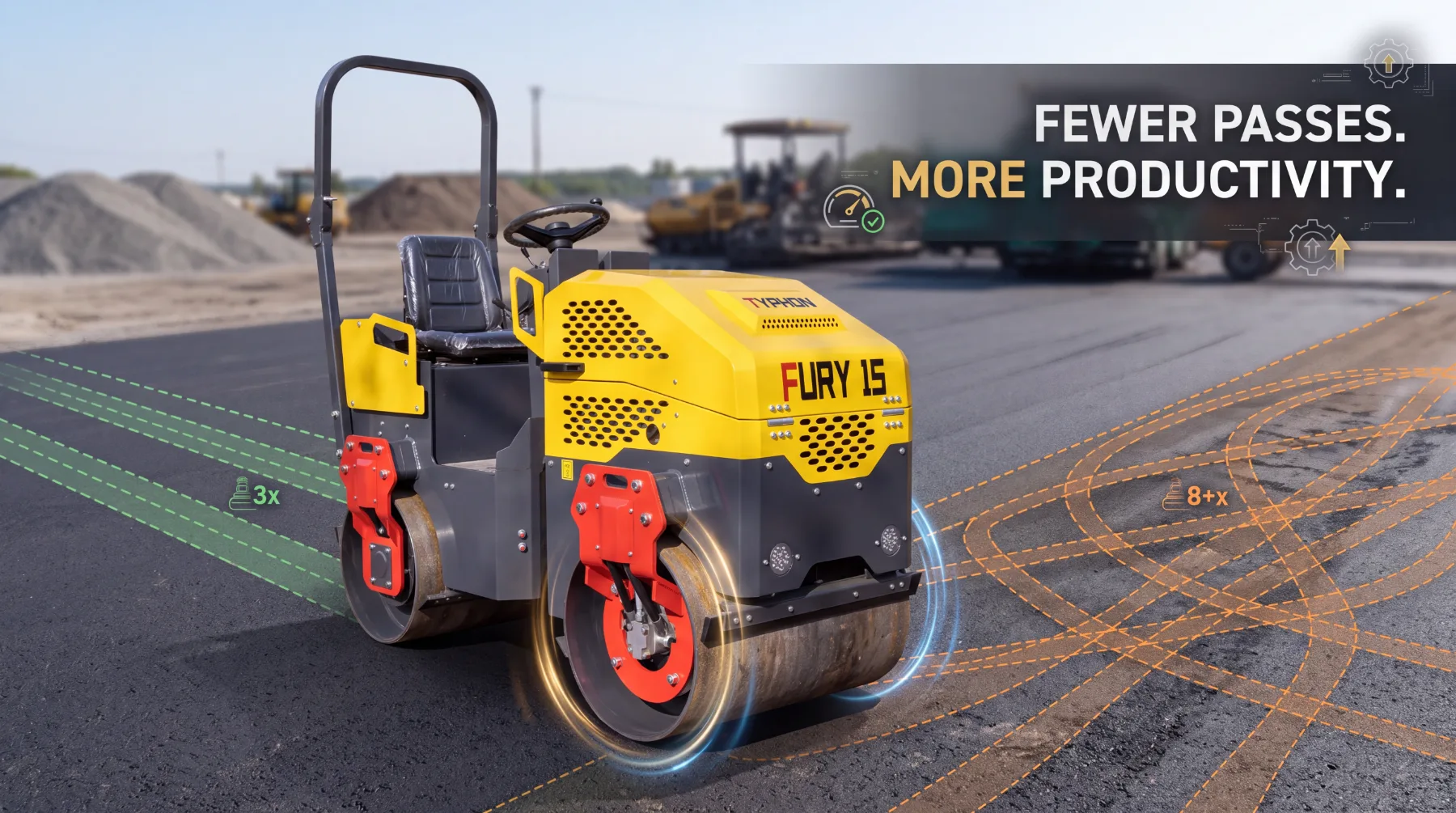
Efficient compaction comes from transferring energy into the material as effectively as possible, and the right vibration mode is what makes that happen. When frequency and amplitude are matched to the material and layer, each pass of the roller does more useful work. The energy goes into consolidating the material rather than being wasted on the surface or lost to poor coupling between the drum and the ground.
This efficiency has a direct effect on how many passes a job requires. A roller using the correct vibration mode builds density faster, so it reaches the target with fewer trips across the surface. Fewer passes translate into real savings across a project. Consider what proper settings deliver on a busy site:
- Faster density gain: effective energy transfer consolidates the material more quickly per pass.
- Fewer repeated passes: reaching target density sooner reduces the number of trips over the surface.
- Greater productivity: less time and fuel spent per area means more work completed in a shift.
The opposite is also true and worth avoiding. Poorly matched settings force the roller to make extra passes to reach the same density, or worse, they never quite achieve it. That wastes fuel, adds hours, increases wear on the machine, and can still leave an inconsistent result. Chasing density with brute repetition is far less effective than compacting correctly from the start.
Choosing the appropriate vibration mode is therefore one of the most practical ways to improve compaction productivity. By setting the machine up to transfer energy efficiently, you reach the density you need sooner, reduce unnecessary passes, and complete the work with less time and cost. That combination of quality and efficiency is what dependable, professional compaction is built on.
Conclusion
Vibration mode sits at the heart of road roller compaction performance. Frequency controls how fast you reach density, amplitude controls how deep the force penetrates, and both must suit the material you are working with, whether granular soil or sensitive asphalt. Get these settings right, and you produce a smoother, more consistent surface while cutting unnecessary passes and cost. Before your next compaction job, review the material, the layer thickness, and the finish you need, then set frequency and amplitude to match. That simple discipline delivers stronger, more durable results every time.
Frequently Asked Questions
1. How does vibration frequency affect compaction speed?
Frequency is the number of vibrations the drum produces each second, and each vibration delivers an impact into the material. A higher frequency means more impacts per second, which helps compact many granular materials more quickly by rearranging particles into a denser arrangement faster. This often lets you reach target density in fewer passes, saving time and fuel. However, the best frequency depends on the material and layer, so choosing the right setting matters more than simply running the highest frequency available.
2. What does amplitude control during compaction?
Amplitude is the distance the drum moves up and down with each vibration, and it determines how deeply the compaction force penetrates the material. Higher amplitude sends energy deeper, making it well suited to thick granular lifts and base layers where you need to consolidate the full depth. Lower amplitude concentrates its effect near the surface, which suits thin layers and finishing work. Matching amplitude to the layer thickness ensures the roller compacts the entire lift evenly without overworking or displacing the material.
3. Why do different materials need different vibration settings?
Materials respond to vibration in distinct ways. Granular soils like gravel and sand have loose particles that rearrange readily, so they generally benefit from stronger vibration that drives them into a dense, stable mass. Asphalt and sensitive surfaces are different, since excessive vibration can push the mix around, fracture aggregate, or leave marks and unevenness. Lower settings compact these surfaces gently and preserve their quality. Matching the vibration mode to the material prevents damage and helps each material reach its proper density.
4. How can the wrong vibration mode hurt surface quality?
Incorrect settings can cause several problems that show up in the finished surface. Uneven compaction leaves some areas denser than others, material displacement occurs when too much vibration pushes the surface around, and unwanted marks or a rippled texture appear when the drum works against the material. These flaws weaken the surface and spoil its appearance. Matching frequency and amplitude to the material and layer produces a smoother, more consistent finish that reflects uniform density and holds up better under traffic over time.
5. Can proper vibration settings really reduce the number of passes?
Yes. When frequency and amplitude are matched to the material and layer, the roller transfers its energy into the material far more effectively, so each pass does more useful work. This builds density faster and lets you reach the target with fewer trips across the surface. Fewer passes mean less time, less fuel, and reduced machine wear, all while producing a more consistent result. Poorly matched settings, by contrast, force extra passes and may still leave inconsistent density, making correct setup essential for productivity.
Done. I created the road roller vibration blog with five expanded sections, a conclusion, and a 5-question FAQ, using bullets in only some sections and avoiding that dash style.