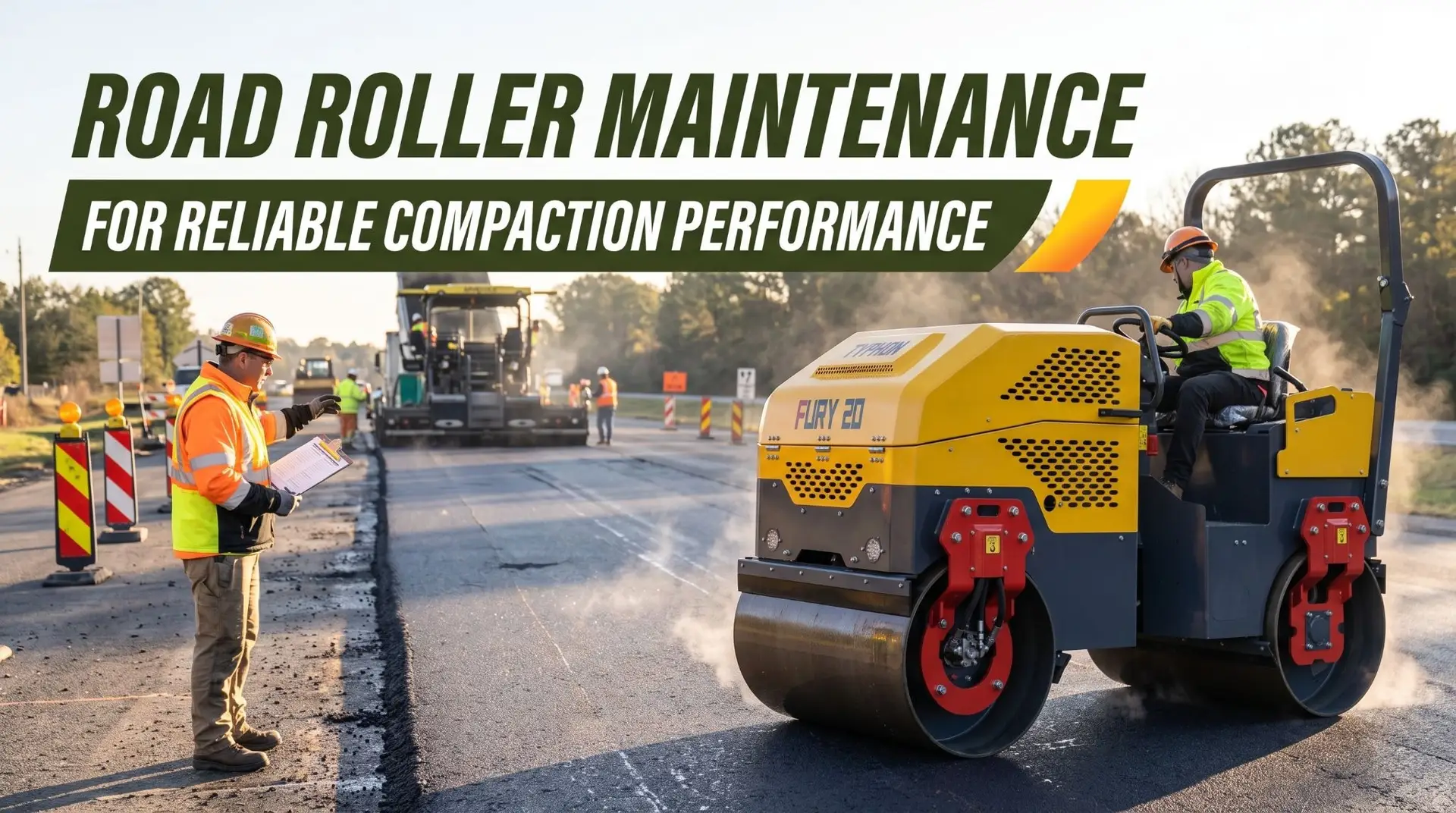
Maintaining consistent asphalt compaction can become difficult when small road roller problems go unnoticed. A paving crew may find asphalt sticking to the drum, rough patches forming behind the machine, or the mat becoming damaged during repeated passes. Clogged water spray nozzles, worn scraper blades, or other neglected components can create these problems and force the crew to stop while the asphalt is still hot.
Several road roller systems work together to maintain proper drum contact and compaction performance. The water spray system helps prevent asphalt from sticking to the drum, while scraper blades remove material that remains on the drum surface. Engine performance, vibration components, steering, and drum condition also affect how consistently the machine performs during paving and soil compaction work.
Regular inspections help identify developing problems before they affect the project. Checking the drum, scrapers, spray nozzles, water system, vibration components, fluid levels, and other key areas before each shift can reduce avoidable downtime. Combining daily inspections with scheduled maintenance helps keep the road roller operating reliably while supporting consistent paving, soil preparation, and road construction work.
Pre-Operation Inspection
A pre-operation inspection is the first step in reliable compaction. A few minutes spent checking the roller before each shift can identify problems before the machine enters the work area. That matters on paving jobs, where asphalt cools quickly and a stalled roller can affect the quality of an entire section.
Walk around the machine in the same order every day. Look under the roller and around the drums for fresh fluid leaks. Check for damaged components, loose hardware, and cracked welds. Inspect the drum surface for gouges, dents, or material buildup left from the previous shift. On asphalt rollers, confirm the water tank is filled and the spray system is ready for use.
Check the operator station as well. Make sure controls respond correctly and that lights, the backup alarm, gauges, and the horn all work. Confirm the seat belt and rollover protective structure are in good condition. Record your findings in a daily log so any issue gets addressed before it affects the job.
Key takeaway: A basic inspection before each shift can find fluid leaks, damaged components, loose hardware, drum problems, and other visible issues before the roller enters the work area.
Engine and Fluid Maintenance
The engine drives the roller’s travel system, hydraulics, and vibration functions. Its performance depends on clean fluids at the correct levels. Low or contaminated fluids can lead to overheating, reduced power, and expensive internal damage.
Check fluid levels with the roller parked on level ground and the engine off. Review these key fluids:
- Engine oil: Confirm the level is within range and watch for signs of contamination.
- Coolant: Check the reservoir level, and only open the radiator cap when the engine is cool.
- Hydraulic fluid: Verify the level using the sight glass or dipstick.
- Fuel and other fluids: Check any other fluids the manufacturer specifies, including drum or exciter lubricant where applicable.
Pay attention to warning signs. Milky oil, dark or burnt-smelling hydraulic fluid, and levels that drop faster than usual can point to leaks or internal problems. Keep radiator and cooler fins clear of dust and debris, since paving and soil work generate plenty of both. Follow the manufacturer’s recommended replacement intervals, and use only the specified fluids and filters.
Key takeaway: Check engine oil, coolant, hydraulic fluid, and other required fluids regularly, and follow recommended replacement intervals to maintain reliable operation.
Drum Condition and Cleaning
The drum is where compaction happens. Every pass depends on smooth, even contact between the drum and the material below. When the drum surface is dirty, damaged, or coated with buildup, that contact suffers and so does the finished surface.
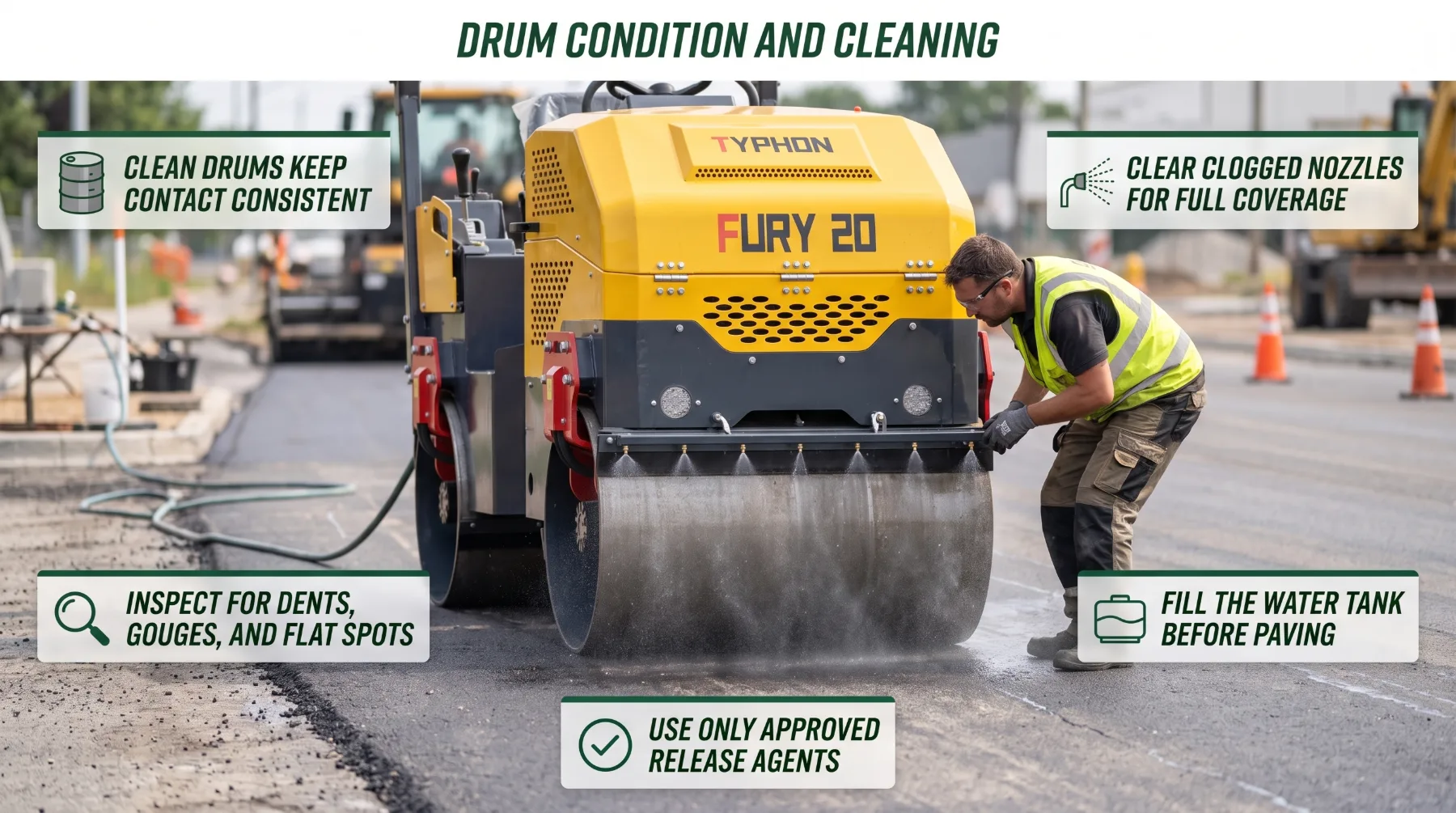
Material can collect on the drum during compaction, particularly when working with asphalt or cohesive soils. Hot mix can stick to steel drums and pull up from the mat. Clay and wet soil can pack onto the drum surface and reduce compaction effectiveness. On asphalt rollers, the water spray system helps prevent sticking, so inspect the tank, filters, pump, spray bars, and nozzles regularly. Clean or replace clogged nozzles so water covers the full drum width.
Inspect the drum surface for dents, gouges, flat spots, and uneven wear. Damage on the drum can transfer directly to the finished mat. Clean the drum at the end of each shift using methods the manufacturer approves. Only use release agents the manufacturer and project specifications allow, since some products can damage asphalt.
Key takeaway: Keeping the drum clean and inspecting its surface helps maintain consistent contact with the material, especially when working with asphalt or soil.
Scraper and Supporting Components
Scrapers sit along the drum and help remove material that sticks to its surface. They are a small part of the machine, but they play an important role in keeping the drum clean and the compacted surface smooth. A worn or misaligned scraper allows buildup to stay on the drum and transfer back to the mat.
Inspect scrapers for wear, damage, loose mounting points, and excessive material accumulation. Check that each blade sits at the correct distance from the drum and makes even contact across its width. Look for bent brackets, missing fasteners, and cracked blades. Clear packed material from behind the scraper, where buildup can reduce its effectiveness.
Check the related drum components as well. Inspect spray bars, mats, or pads used on asphalt rollers, along with mounting hardware near the drum. Adjust or replace scraper blades according to the manufacturer’s procedures. Keeping these components in proper condition supports smooth drum operation and a cleaner finished surface.
Key takeaway: Inspecting scrapers and related drum components for wear, damage, loose mounting points, and material buildup supports smooth drum operation.
Vibration System Inspection
The vibration system contributes directly to compaction. On vibratory rollers, rotating eccentric weights inside the drum create the force that helps consolidate soil and asphalt. When that system isn’t working as intended, compaction quality and density can suffer.
Inspect the vibration system according to the manufacturer’s recommendations. Check the vibration controls to confirm they engage and disengage correctly and that amplitude and frequency settings respond as expected. Inspect the rubber isolation mounts between the drum and the frame for cracks, tears, or separation. These mounts protect the machine and the operator from excess vibration, and worn mounts can affect both comfort and performance.
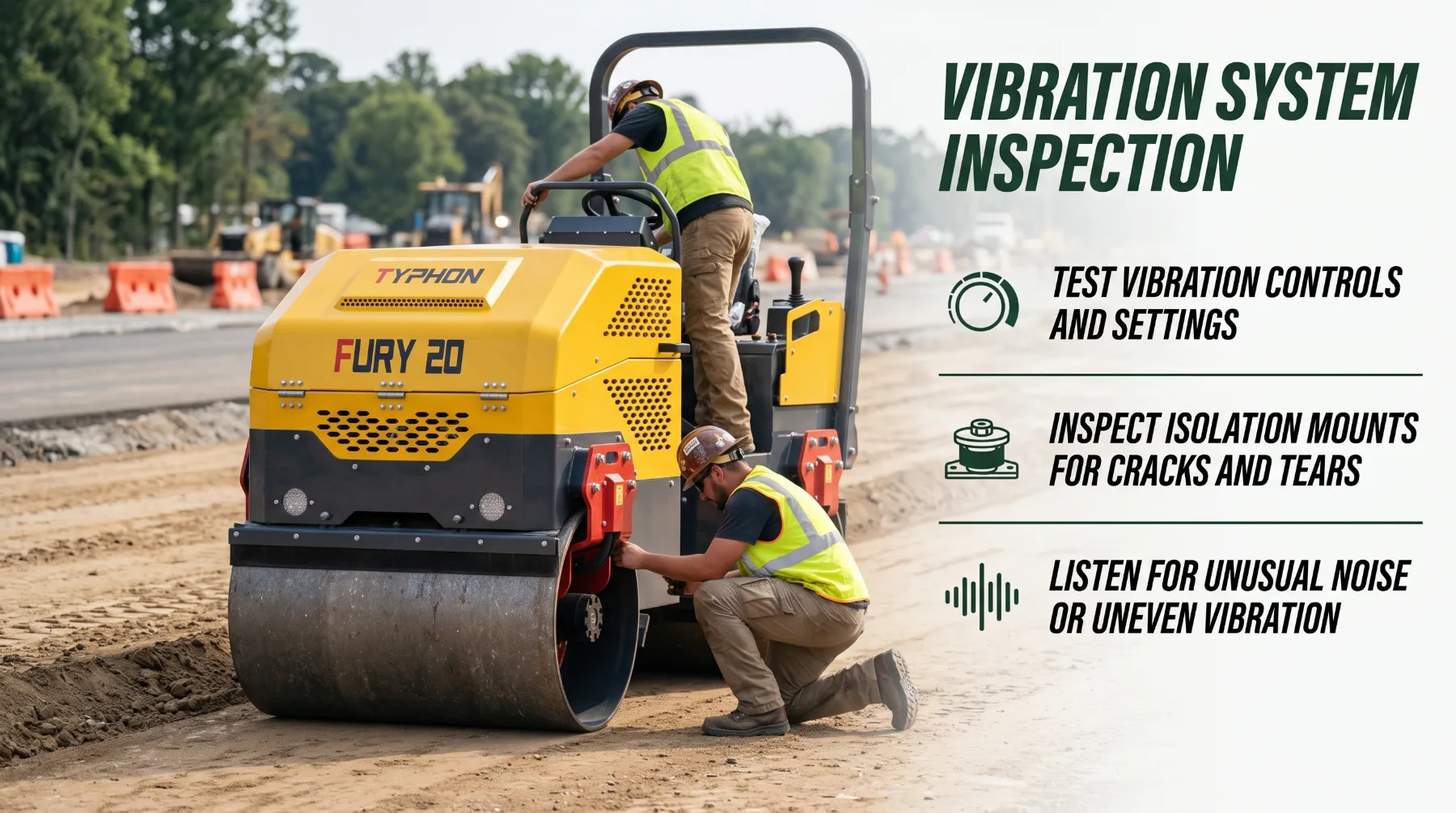
Watch and listen during operation. Unusual noises, uneven vibration, excess heat around the drum bearings, or changes in compaction results can all point to a developing problem. Check exciter lubricant levels where the manufacturer specifies. Address any issue promptly, since vibration system repairs often become more complex when problems are left unchecked.
Key takeaway: The vibration system plays a direct role in compaction, so inspect it according to manufacturer recommendations and watch for unusual noise or changes in performance.
Scheduled Service Intervals
Daily inspections catch visible problems, but they can’t reach every component. Many critical maintenance tasks follow a schedule set by the manufacturer, usually based on operating hours. These intervals protect internal parts that a walkaround can’t inspect.
Scheduled road roller service typically includes:
- Engine oil and filter changes
- Air, fuel, and hydraulic filter replacement
- Hydraulic fluid changes at the recommended interval
- Exciter and drum lubricant service where specified
- Lubrication of articulation joints, steering components, and pivot points
- Inspection of drum bearings, isolation mounts, and drive components
Rollers working in especially dusty, hot, or high-demand conditions may need closer attention. Review the manufacturer’s guidance for severe-duty operation. Keep a maintenance log that records operating hours, completed service, parts replaced, and issues found. Clear records make upcoming service easy to plan, support warranty requirements, and help identify recurring problems.
Key takeaway: Follow the manufacturer’s maintenance schedule for lubrication, filter replacement, fluid changes, and key component inspections to reduce unnecessary wear and unexpected downtime.
Conclusion
Regular road roller maintenance supports consistent compaction by combining pre-operation inspections, system checks, drum care, and scheduled servicing. Before each shift, operators should inspect for leaks, loose hardware, damage, and drum condition, then check engine oil, coolant, hydraulic fluid, and radiator or cooler areas according to manufacturer requirements. The drum should remain clean and free of buildup, dents, or gouges, while the water spray system and nozzles should provide adequate coverage. Scrapers, mounting hardware, isolation mounts, and vibration controls require regular inspection for wear, damage, and proper operation, while steering, brakes, lights, backup alarms, seat belts, and rollover protective structures should be checked before work. Scheduled oil, filter, lubrication, and component servicing should follow manufacturer intervals, with maintenance findings recorded for future reference. Consistent inspection and servicing help reduce unexpected downtime, protect critical components, and maintain reliable road roller performance throughout demanding compaction work.
Frequently Asked Questions
How often should a road roller be inspected?
Perform a basic inspection before each day’s operation to identify leaks, damage, or other issues before work begins. More detailed maintenance and servicing should follow the manufacturer’s recommended schedule and operating-hour intervals. Heavy-duty use or demanding jobsite conditions may require more frequent checks.
Why should a road roller drum be kept clean?
Material buildup on the drum can affect contact with the surface and transfer onto the finished pavement. Dirt, asphalt, or other material may also interfere with smooth rolling. Keeping the drum clean supports consistent contact, uniform compaction, and a cleaner finished surface.
Why is vibration system maintenance important?
The vibration system directly affects the roller’s compaction performance. Regular inspection and proper servicing help maintain consistent vibration, density, and machine performance. Checking vibration components according to the manufacturer’s recommendations can also help identify wear or problems before they affect compaction quality.
What should be checked before operating a road roller?
Check fluid levels, leaks, drum condition, water spray components, vibration system, controls, and visible damage before operation. Inspect the tires or other running components and confirm that safety equipment, lights, alarms, and operating functions are working properly. Completing these checks helps identify problems early and supports safe, reliable compaction work.