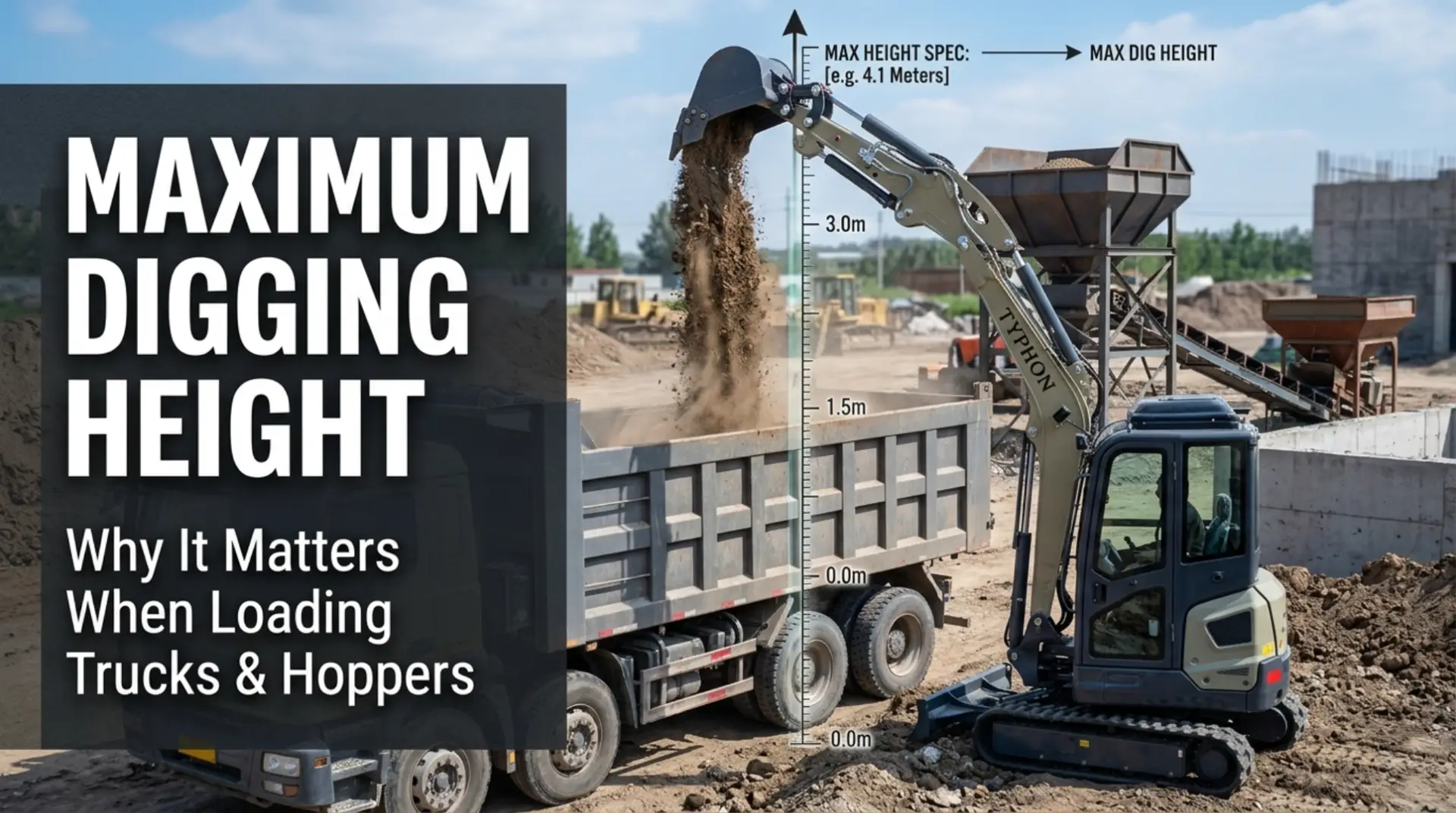
Loading trucks and hoppers is one of the most repeated tasks an excavator performs, and how efficiently it happens shapes the pace of an entire operation. At the center of that efficiency sits a specification many buyers overlook: maximum digging height. This figure decides whether the machine can reach over a truck’s sidewall, feed an elevated hopper cleanly, and place material accurately without awkward repositioning. Get it right, and loading cycles stay fast and controlled. Get it wrong, and the machine fights the job at every pass.
This guide explains why maximum digging height matters when loading trucks and hoppers. You will learn how sufficient height lets an excavator load directly into a truck bed, how to match height to different truck sizes, and how it reduces spillage when feeding hoppers. You will also see how boom and arm geometry shapes reach, and how to balance digging height against stability and working range for dependable results.
Reaching the Truck Bed Without Repositioning
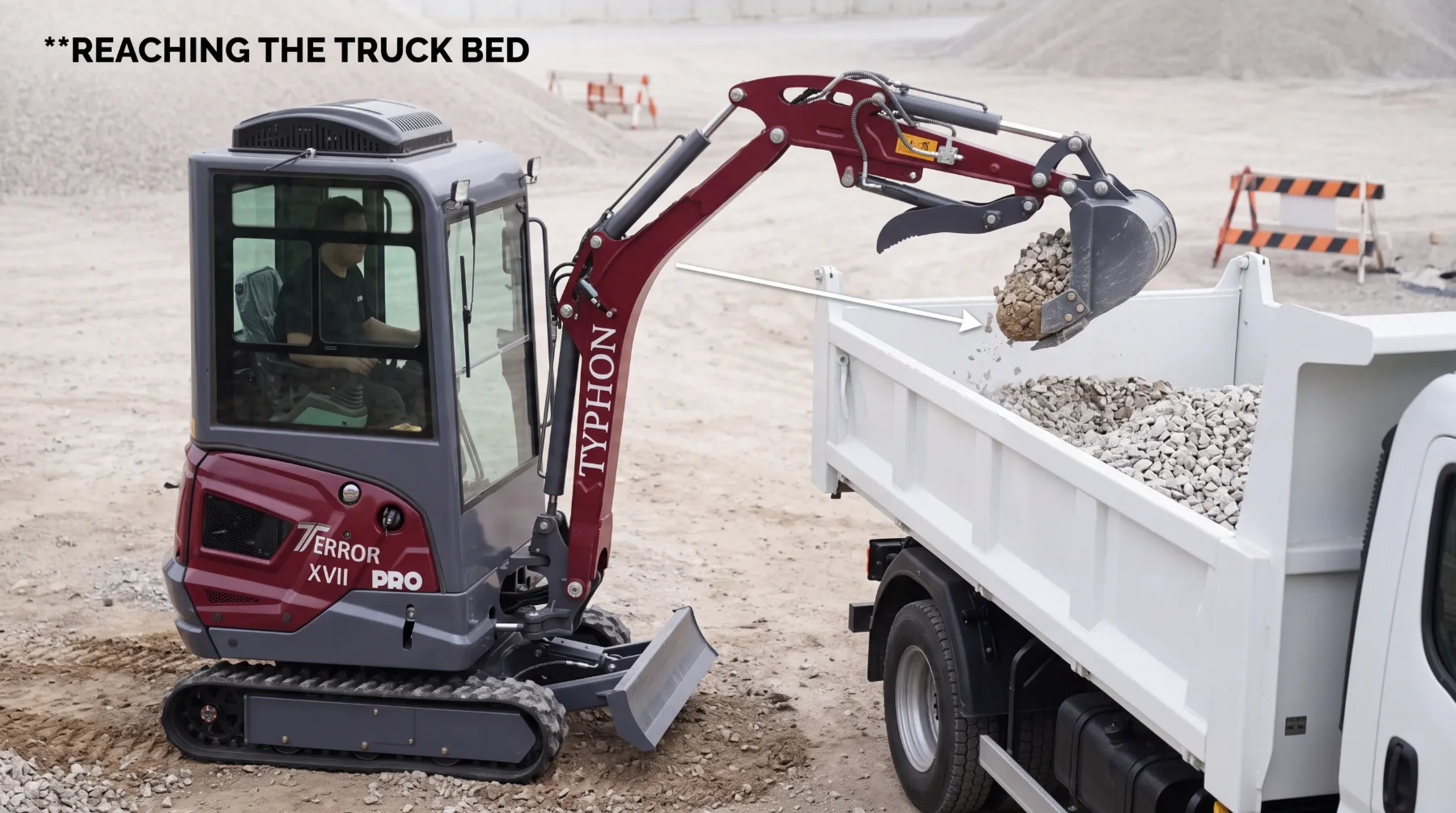
Maximum digging height determines whether an excavator can place material directly into a truck bed, and this single capability influences the pace of the entire loading operation. When the machine has enough height to lift the bucket cleanly above the truck and swing it into position, the operator can load from a fixed, stable spot. Material moves from the dig to the bed in one smooth motion, and the cycle repeats efficiently pass after pass. This is exactly the kind of steady rhythm productive loading depends on.
The problem appears when the excavator lacks the height to clear the truck comfortably. In that case, the operator may need to reposition the machine, move closer, or work at an awkward angle just to get material over the sidewall. Each of these adjustments costs time, and on a job that involves loading dozens or hundreds of truckloads, those small delays accumulate into significant lost productivity. A machine forced to reposition repeatedly also faces added wear and burns more fuel over the course of a shift.
Greater digging height solves this by giving the operator the reach to load from a single, well-chosen position.
- Fewer repositioning moves, since the machine can reach the bed from where it sits
- Faster loading cycles, because each pass follows the same efficient path
- Steadier operation, letting the operator settle into a productive, repeatable rhythm
When the excavator can clear the truck bed with room to spare, loading becomes a controlled, continuous process rather than a series of stops and adjustments. This is the foundation on which efficient truck loading is built, and it is why maximum digging height deserves close attention before any machine is put to work moving material into trucks.
Matching Excavator Height to Different Truck Sizes
Different trucks and dump bodies require different loading heights, and matching the excavator to the vehicles it will serve is essential for safe, efficient work. A small dump truck sits low to the ground and needs relatively modest reach, while a large articulated hauler or high-sided dump body stands considerably taller. An excavator that loads one type comfortably may struggle with another, so the machine’s maximum digging height has to suit the tallest trucks it will regularly load rather than the smallest.
Clearing the sidewalls safely is the core concern here. The bucket needs enough height not just to reach the top of the truck body but to clear it with margin, so material can be released over the wall and into the bed without the bucket catching or scraping. When the height is sufficient, the operator positions the bucket confidently above the bed and discharges the load cleanly. When it falls short, the operator is left working at the very limit of the machine’s reach, which slows the cycle and raises the risk of striking the truck.
Choosing an excavator with adequate maximum digging height protects both productivity and safety across the range of trucks your work involves. If your operation loads a mix of vehicles, the machine should handle the most demanding of them without strain. Consider the dump bodies you use most, confirm their loaded height, and select an excavator whose reach comfortably exceeds that figure. This straightforward step ensures the bucket clears the sidewalls on every truck you load, keeps material flowing into the bed accurately, and lets the operator work at a controlled pace rather than stretching the machine to its edge. Matching height to truck size this way keeps loading dependable no matter what pulls up to be filled.
Loading Hoppers With Less Spillage
When feeding a hopper, the bucket needs enough height to clear the hopper opening and release material accurately, which makes maximum digging height just as important here as it is when loading trucks. Hoppers on crushers, screeners, and other processing equipment often sit at elevated feeding points, and the excavator must lift its bucket well above the ground to reach them. If the machine can raise the bucket comfortably above the opening, the operator can position it directly over the target and release the load precisely where it belongs.
This precision is what keeps spillage to a minimum. When the bucket clears the hopper opening with room to work, material drops cleanly into the feed rather than catching the rim or spilling down the sides. Spilled material is more than an inconvenience. It creates cleanup work, wastes usable product, and can pile up around the equipment in ways that slow the operation and create hazards underfoot. A machine with adequate digging height lets the operator avoid these problems by placing each load accurately, pass after pass.
Adequate digging height also gives operators more flexibility when working with elevated feeding points. Not every hopper sits at a convenient level, and some processing setups demand considerable reach to feed effectively. An excavator with a generous maximum digging height can serve a wider range of these feeding points, positioning the bucket over the opening even when it sits high off the ground. This flexibility means the same machine can adapt to different equipment and layouts rather than being limited to low, easily reached hoppers. For operations that feed processing plants regularly, choosing an excavator with the height to clear the hopper opening cleanly keeps material flowing into the feed accurately, reduces waste, and supports the steady, continuous feeding that efficient processing depends on.
How Boom and Arm Geometry Affects Loading Height
Maximum digging height depends on the excavator’s boom and arm configuration, not just the overall size of the machine, and understanding this distinction helps buyers compare machines accurately. Two excavators of similar weight or engine size can offer noticeably different digging heights depending on how their booms and arms are designed. The length of the boom, the length of the arm, and the way they articulate together all determine how high the bucket can reach at full extension. Size alone tells only part of the story.
This matters because a specific loading task calls for a specific reach, and machine size is a poor substitute for the actual height figure. A longer boom and arm generally extend the machine’s vertical reach, allowing the bucket to clear taller trucks and higher hoppers. A configuration optimized for digging depth or breakout force, by contrast, may not deliver the same height even on a large machine. Looking past the general dimensions to the published maximum digging height gives a far more reliable picture of what a machine can actually do at the top of its reach.
For buyers weighing several machines for loading work, this understanding is genuinely useful. Rather than assuming a bigger excavator will always reach higher, compare the maximum digging height each configuration provides and match it to the trucks and hoppers you need to load. Consider how the boom and arm are set up and whether that geometry favors the reach your work requires. A machine with a configuration suited to loading will place material over high sidewalls and elevated feeding points more comfortably than one built primarily for deep digging, even if the two appear similar on paper. Judging machines by their geometry and their real digging height, rather than size alone, leads to a choice that genuinely fits the loading tasks at hand.
Balancing Digging Height With Stability and Working Range
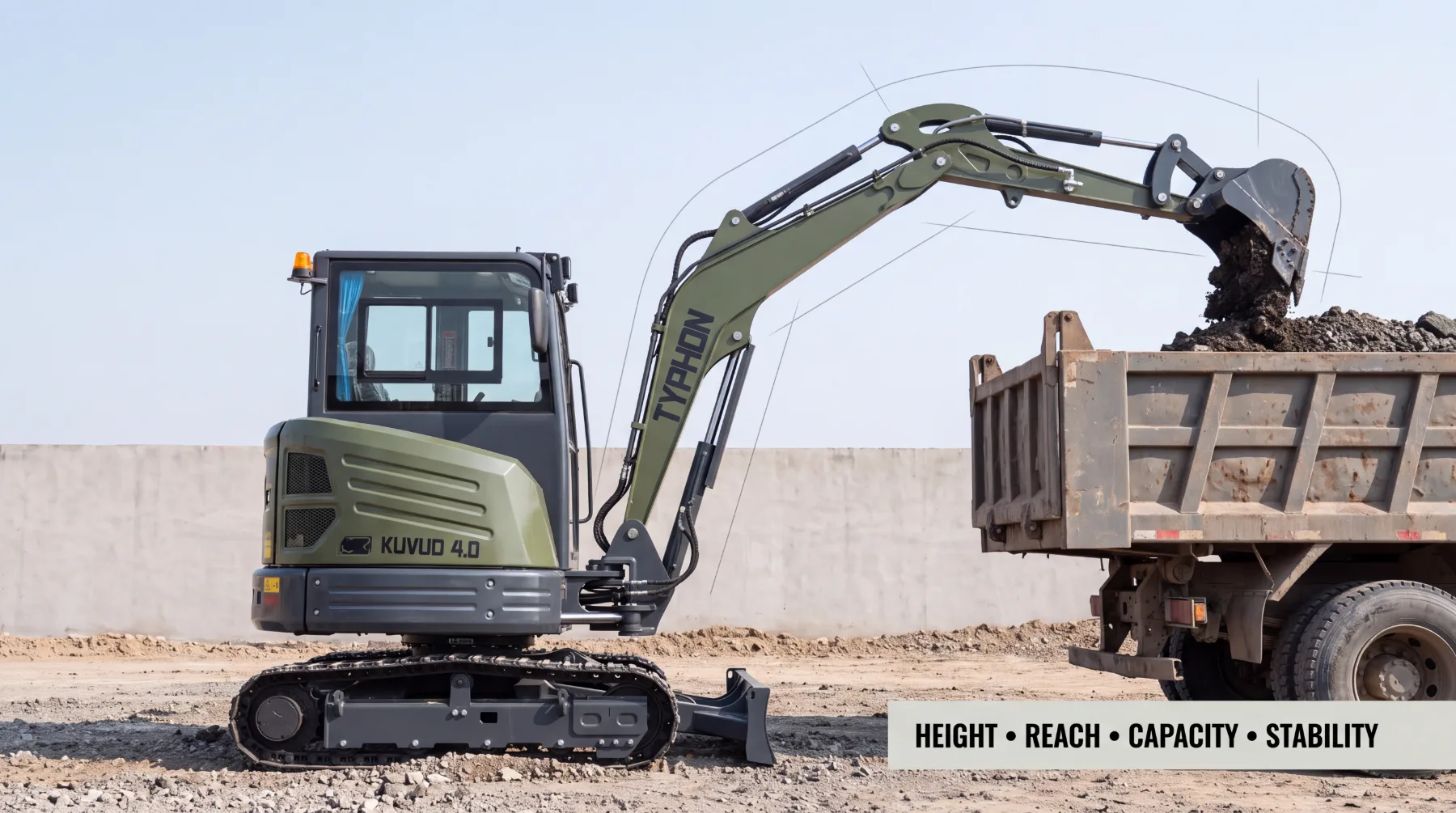
A high maximum digging height is valuable, but it should never be considered in isolation. Loading performance depends on how digging height works together with reach, lifting capacity, and machine stability, and the best results come from a balanced combination rather than a single impressive figure. An excavator that reaches high but cannot lift a full bucket at that height, or that becomes unstable when extended, will not deliver the controlled loading a job requires. The goal is a machine whose capabilities align with one another and with the work.
Several factors deserve consideration alongside digging height:
- Reach, which determines how far the machine can extend to position the bucket over a truck or hopper
- Lifting capacity, which sets how much the excavator can safely raise and hold at the heights and distances loading involves
- Machine stability, which keeps the excavator planted and controlled when the boom and arm are extended and loaded
These elements are interconnected. A machine loading a tall truck needs enough height to clear the sidewall, enough reach to position the bucket over the bed, and enough lifting capacity to raise a full load to that point, all while remaining stable throughout the motion. If any one of these falls short, the loading operation suffers. A machine that reaches high but loses stability under load forces the operator to work cautiously, while one that lacks lifting capacity at height cannot carry full buckets where they are needed.
The right combination keeps loading both productive and controlled. When digging height, reach, lifting capacity, and stability suit the trucks and hoppers your work involves, the excavator loads confidently at a steady pace without straining or feeling unsettled. Rather than chasing the highest digging height available, evaluate how that height fits alongside the other specifications and the demands of your job. A well-balanced machine, matched thoughtfully to the loading tasks it will perform, delivers dependable, efficient results across every cycle.
Conclusion
Maximum digging height plays a central role in how efficiently an excavator loads trucks and hoppers. Sufficient height lets the machine place material directly into a truck bed with less repositioning, clears the sidewalls of different truck sizes safely, and feeds elevated hoppers accurately with minimal spillage. That height depends on boom and arm geometry rather than machine size alone, which is why comparing the actual reach figures matters. Above all, digging height works best when balanced against reach, lifting capacity, and stability.
Before selecting your next excavator, take an honest look at the trucks and hoppers you load most often. Confirm their loaded heights, compare the maximum digging height each machine offers, and weigh that reach alongside lifting capacity and stability. When you match these specifications to the real demands of your loading work, you gain a machine that keeps material moving efficiently and cycles running smoothly, load after load.
Frequently Asked Questions
1. What is an excavator’s maximum digging height and why does it matter for loading?
Maximum digging height is the highest point an excavator can raise its bucket at full boom and arm extension. It matters for loading because it determines whether the machine can lift material above a truck’s sidewall or an elevated hopper opening and release it accurately. When the height is sufficient, the operator loads from a fixed, stable position, moving material from the dig to the target in one smooth motion and repeating the cycle efficiently. When it falls short, the machine may need to reposition, work at an awkward angle, or operate at the very limit of its reach, all of which slow the operation and raise the risk of striking the truck or spilling material. On jobs involving many loading cycles, small delays from inadequate height accumulate into significant lost productivity, added fuel use, and extra wear. This is why confirming a machine’s maximum digging height against the trucks and hoppers you load is an essential step before putting it to work moving material.
2. How do I know if an excavator has enough digging height for my trucks?
Start by identifying the tallest trucks and dump bodies you load regularly, then confirm their loaded height. The excavator’s maximum digging height should comfortably exceed that figure, giving the bucket room to clear the sidewall with margin rather than reaching the very top of its capability. This margin matters because the bucket needs to pass over the wall and release material into the bed cleanly, without catching or scraping. If your operation loads a mix of vehicles, match the machine to the most demanding of them, since a machine that handles the tallest trucks will manage smaller ones easily. Working at the limit of an excavator’s reach slows each cycle and increases the chance of striking the truck, so a comfortable buffer keeps loading both safe and efficient. Check the published maximum digging height for any machine you consider, compare it against your trucks’ loaded heights, and choose one that clears the sidewalls of every vehicle you serve with room to spare.
3. Does digging height affect hopper loading as much as truck loading?
Yes, digging height is just as important when feeding hoppers, and sometimes more so. Hoppers on crushers, screeners, and other processing equipment often sit at elevated feeding points, requiring the excavator to raise its bucket well above the ground to reach them. If the machine can lift the bucket comfortably above the opening, the operator positions it directly over the target and releases the load precisely where it belongs, which keeps spillage to a minimum. When the height is inadequate, material can catch the rim or spill down the sides, creating cleanup work, wasting usable product, and building up hazards around the equipment. Adequate digging height also gives operators flexibility to work with a wider range of feeding points, since not every hopper sits at a convenient level. A machine with generous reach can serve high hoppers that a shorter machine cannot, adapting to different equipment and layouts. For operations that feed processing plants regularly, sufficient digging height supports the accurate, steady feeding that efficient processing depends on.
4. Why do two excavators of similar size have different digging heights?
The difference comes down to boom and arm geometry rather than overall machine size. Two excavators of similar weight or engine size can offer noticeably different digging heights depending on how their booms and arms are designed. The length of the boom, the length of the arm, and the way they articulate together all determine how high the bucket reaches at full extension. A configuration built for maximum vertical reach will lift the bucket higher, while one optimized for digging depth or breakout force may deliver less height even on a large machine. This is why size alone is a poor guide when choosing a machine for loading work. Rather than assuming a bigger excavator always reaches higher, compare the published maximum digging height of each configuration and match it to the trucks and hoppers you need to load. Judging machines by their geometry and their actual digging height figures gives a far more reliable picture of what each can do at the top of its reach.
5. Should I always choose the excavator with the highest digging height?
Not necessarily, because digging height works best when balanced against reach, lifting capacity, and machine stability. A machine that reaches high but cannot lift a full bucket at that height, or that becomes unstable when extended, will not deliver the controlled loading a job requires. These specifications are interconnected. Loading a tall truck needs enough height to clear the sidewall, enough reach to position the bucket over the bed, enough lifting capacity to raise a full load to that point, and enough stability to stay planted and controlled throughout the motion. If any one of these falls short, loading suffers. A machine that loses stability under load forces cautious, slower work, while one lacking lifting capacity at height cannot carry full buckets where they are needed. Rather than chasing the highest digging height available, evaluate how that height fits alongside the other specifications and the demands of your work. A well-balanced machine matched to your loading tasks delivers dependable, efficient results across every cycle.