How to Choose the Right Electric Forklift
This Electric Forklift Buying Guide explains how to compare lifting capacity, battery performance, turning radius, operating environment, applications, and safety features before investing in an electric forklift for your business.
Why Electric Forklifts Are Growing in Popularity
Electric forklifts are widely used in warehouses, logistics centers, factories, ports, and distribution facilities because they can provide clean operation, reduced noise, efficient material handling, and excellent maneuverability. Choosing the correct electric forklift depends on your workload, facility layout, lifting requirements, battery needs, and operating environment.

Low Maintenance
Electric forklifts have fewer powertrain components than many internal combustion models, which can simplify routine servicing and reduce some maintenance requirements.

Cleaner Operation
Battery-powered electric forklifts produce no tailpipe emissions during operation, making them especially useful for warehouses and many enclosed material handling environments.

Energy Efficient
Modern electric forklift systems are designed to deliver controlled performance while supporting efficient battery and energy use throughout daily operations.

Electric Forklift Specifications You Should Compare
Before buying an electric forklift, compare the technical specifications that directly affect material handling performance, maneuverability, lifting ability, and suitability for your facility.
- ✓ Rated lifting capacity
- ✓ Maximum lifting height
- ✓ Turning radius
- ✓ Battery voltage and runtime
- ✓ Climbing capability
- ✓ Ground clearance
- ✓ Mast tilt angle
- ✓ Steering system
Electric Forklift Capacity Comparison
Selecting the correct lifting capacity is one of the most important decisions when buying an electric forklift. Consider the actual load weight, load center, lifting height, attachment requirements, and working environment before selecting equipment.
| Capacity | Typical Application | Environment |
|---|---|---|
| 2,000 – 3,000 lbs | Small Warehouse Material Handling | Indoor |
| 4,000 – 5,000 lbs | General Material Handling | Indoor / Suitable Outdoor Areas |
| 6,000 – 10,000 lbs | Industrial Material Handling | Application Dependent |
| 10,000+ lbs | Heavy-Duty Operations | Industrial Sites |
Understand Your Electric Forklift Application
Electric forklifts are available for different environments and material handling requirements. Understanding where the equipment will operate helps determine the appropriate capacity, dimensions, battery system, tire type, lift height, and configuration.
- ✓ Warehouses & distribution centers
- ✓ Manufacturing facilities
- ✓ Retail storage operations
- ✓ Cargo handling facilities
- ✓ Freight facilities
- ✓ Workshops & industrial plants
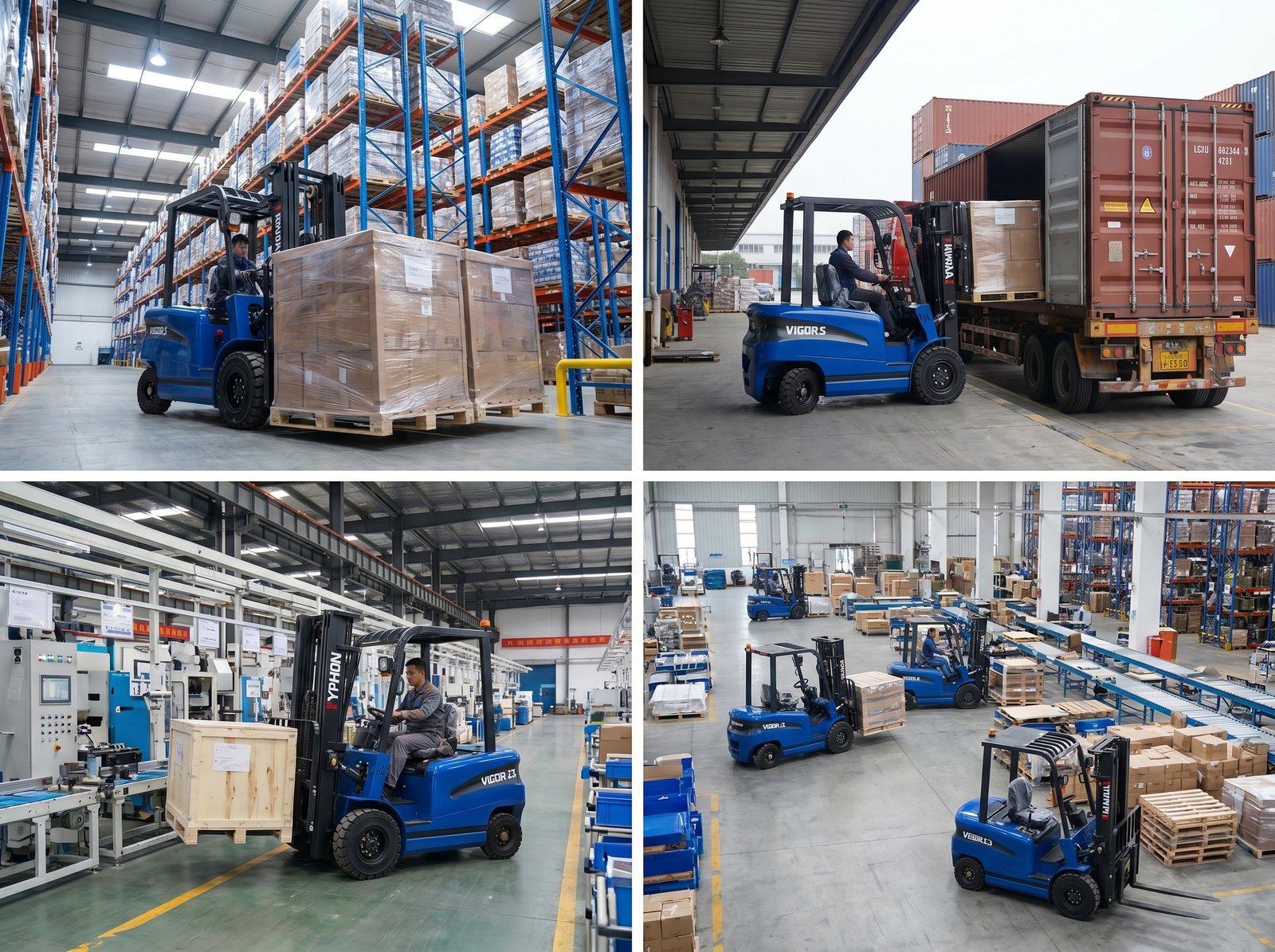
Electric Forklift Operating Environment Considerations
Environmental conditions can affect electric forklift performance, stability, traction, battery operation, and overall suitability. Evaluate the floor surface, temperature, aisle dimensions, pedestrian traffic, ramps, and daily workload before selecting an electric forklift.
Temperature
Operating temperature requirements depend on the specific electric forklift, battery system, and manufacturer guidance. Compare the recommended temperature range before purchasing.
Ground Conditions
Suitable floor and ground conditions help support electric forklift stability, traction, maneuverability, and controlled material handling.
Operator Requirements
Consider visibility, controls, turning space, operator position, workplace traffic, and training requirements when evaluating an electric forklift.
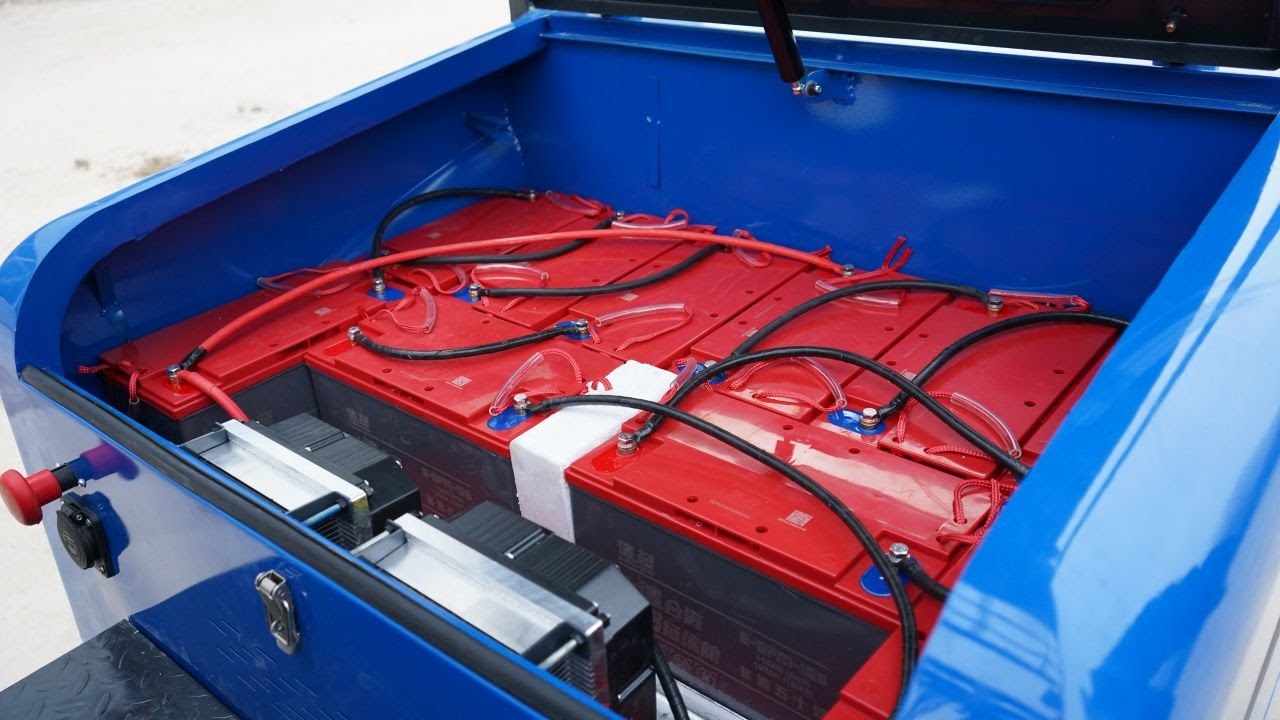
Electric Forklift Battery & Performance Considerations
The battery system is a major consideration when choosing an electric forklift. Battery capacity, charger compatibility, operating hours, charging schedule, workload, and battery type can all affect day-to-day productivity.
- ✓ Charging speed
- ✓ Battery service life
- ✓ Runtime per shift
- ✓ Battery monitoring
- ✓ Maintenance requirements
- ✓ Charging infrastructure
- ✓ Long-term operating requirements
Common Electric Forklift Applications
Electric forklifts support a wide range of material handling applications. Selecting the correct model depends on the actual operating conditions and required workload.
Warehouses
Electric forklifts can support inventory movement, pallet stacking, rack loading, order preparation, and narrow aisle material handling.
Logistics Centers
Electric forklifts can support loading, unloading, pallet transportation, staging, and general shipping operations.
Manufacturing Plants
Manufacturing operations can use electric forklifts for raw material movement, production support, finished goods handling, and internal transportation.
Choosing the Right Electric Forklift
The right electric forklift depends on lifting capacity, operating hours, facility layout, floor conditions, aisle width, lifting height, battery requirements, charging availability, and overall material handling demands. Comparing these factors before purchasing can help you select equipment that better matches your operation.
Explore More Electric Forklift Topics
Continue learning about electric forklift applications, safety, maintenance, and operator best practices.
Need Help Choosing the Right Electric Forklift?
Contact our team to compare electric forklift models, lifting capacities, battery requirements, warehouse applications, and operating environments to find equipment suited to your needs.
Request a Quote